How to Handle a Problem Tenant: De-escalation, Documentation, and Legal Options

Dealing with a difficult renter requires a structured, unemotional approach combining active listening, ironclad documentation, and a firm adherence to local housing laws. By addressing lease violations early with clear written notices and maintaining a pristine rent ledger, you can resolve most disputes before they require legal action. If de-escalation fails, understanding the formal eviction process and your financial break-even points ensures you protect your real estate investment without committing costly procedural errors.
Managing rental property can be an incredibly rewarding path to building long-term wealth, but it also exposes property owners to one of the most stressful challenges in real estate: dealing with difficult renters. Knowing how to handle a problem tenant is the defining factor between a profitable, passive investment and a draining, high-liability legal nightmare. Whether you are dealing with chronic late payments, unauthorized occupants, property damage, or noise complaints that disturb neighbors, your response must be professional, systematic, and legally compliant.
Many landlords make the mistake of reacting emotionally or taking matters into their own hands with "self-help" evictions, such as changing locks or shutting off utilities. These actions are highly illegal in almost every jurisdiction and can result in severe financial penalties. Instead, successful property managers rely on a combination of psychological de-escalation, meticulous record-keeping, and a structured escalation path that protects their cash flow and assets. This guide outlines the exact frameworks you need to resolve tenant conflicts while keeping your investment yields intact.
Contents
- Key Takeaways
- Understanding the Root Causes of Tenant Issues
- The Psychology of De-Escalation in Landlord-Tenant Disputes
- Establishing an Ironclad Documentation Trail
- Formal Written Notices: The First Legal Step
- Comparing Dispute Resolution Strategies
- The Financial Reality of Eviction: When to Cut Your Losses
- Navigating the Legal Eviction Process Step-by-Step
- Preventative Measures: Stopping Problem Tenants Before They Sign
- Common Mistakes to Avoid
- Frequently Asked Questions
Key Takeaways
- De-escalate first: Always separate the person from the problem and use objective, neutral communication to resolve minor disputes without litigation.
- Document everything: Maintain a chronological log of all interactions, text messages, emails, and physical inspections to build an indisputable paper trail.
- Serve formal notices early: Do not let lease violations slide; serve Cure or Quit notices promptly to establish a legal timeline.
- Know your financial metrics: Use tools like RentFlow to calculate how vacancy, legal fees, and repair costs impact your annual yield before deciding on eviction.

Understanding the Root Causes of Tenant Issues
Before deploying legal remedies, it is vital to categorize the type of problem you are facing. Tenant infractions generally fall into three distinct categories: financial, behavioral, and structural. Understanding which category a problem falls into dictates your immediate response and the legal notices required if the issue escalates.
Financial Violations: Non-Payment and Chronic Lateness
Financial issues are the most common friction points between landlords and renters. This includes complete non-payment of rent, consistently late payments, or paying in partial installments without prior agreement. When a tenant stops paying rent, it directly threatens your mortgage obligations and cash-flow margins. However, a sudden lapse in payment often stems from temporary life disruptions such as job loss, medical emergencies, or relationship breakdowns. Identifying whether the non-payment is a temporary hurdle or a chronic pattern is your first step.
Behavioral Violations: Noise, Nuisance, and Unauthorized Occupants
Behavioral issues can damage your reputation as a landlord and strain your relationships with neighbors or HOA boards. Common examples include:
- Excessive noise during quiet hours specified in the lease.
- Unapproved pets causing disturbance or property damage.
- Moving in long-term guests who are not listed on the lease agreement (unauthorized occupants).
- Improper trash disposal leading to pest infestations or municipal fines.
Structural Violations: Property Damage and Maintenance Neglect
There is a distinct legal difference between normal wear and tear and tenant-caused property damage. Normal wear and tear includes minor carpet scuffs, faded paint, or loose cabinet hinges. Structural violations involve negligent or intentional destruction, such as holes in drywall, broken windows, unapproved structural alterations (like painting over natural wood or removing fixtures), or failing to report active water leaks that cause widespread mold growth.
The Psychology of De-Escalation in Landlord-Tenant Disputes
When a conflict arises, your initial instinct might be to react defensively or aggressively. However, mastering the psychology of de-escalation is often the fastest and cheapest way to resolve a dispute. Engaging in a shouting match or sending threatening text messages only hardens the tenant's resolve and provides them with potential evidence to use against you in court.
The "Separate the Person from the Problem" Framework
When discussing an issue, frame the lease agreement as the neutral "third party" in the conversation. Instead of saying, "You are constantly breaking our rules and making too much noise," reframe the statement to: "The lease agreement we both signed specifies quiet hours starting at 10:00 PM to ensure all residents can sleep. We have received reports of noise after this time, which places the tenancy in violation of Section 12 of the agreement. How can we resolve this so we are aligned with the lease terms?" This removes personal animosity and focuses on contractual obligations.
Active Listening Techniques for Landlords
Often, a difficult tenant simply wants to feel heard. If they contact you with a complaint or an explanation for a late payment, practice active listening before offering a solution:
- Acknowledge and validate: "I understand that losing your job last week has put an immense amount of stress on your family."
- Clarify without judging: "Just to make sure I have the timeline right, you are expecting your first unemployment check on the 15th of this month, correct?"
- Propose collaborative steps: "If we can put together a written payment plan for the remaining balance to be cleared by the 20th, we can avoid filing a late notice this month."
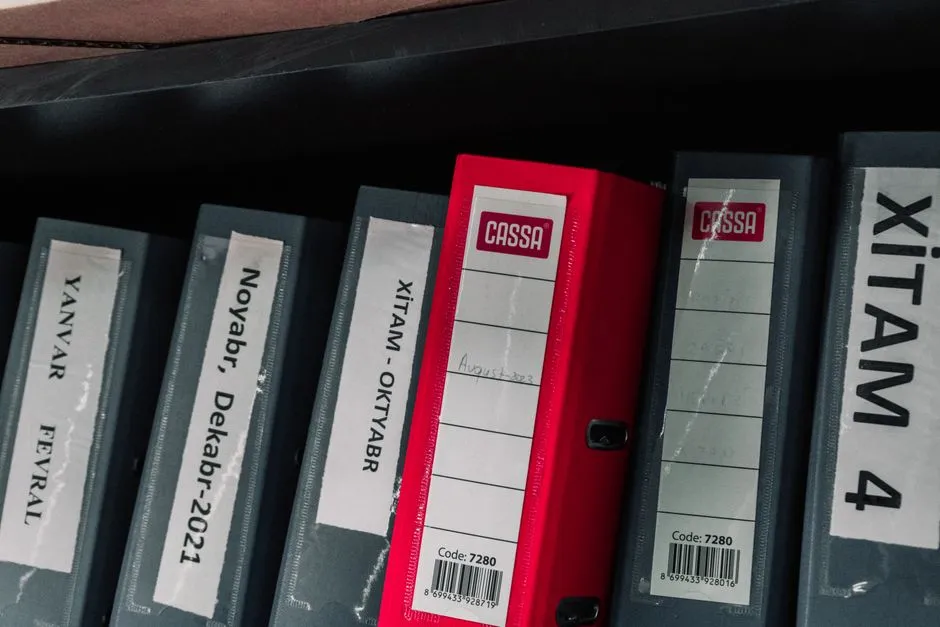
Establishing an Ironclad Documentation Trail
If de-escalation fails, your success in court or mediation depends entirely on the quality of your documentation. Judges in housing courts see dozens of cases a day and have little patience for "he-said, she-said" arguments. They demand objective, physical, and chronological proof.
How to Keep a Chronological Communication Log
Create a dedicated digital folder for the tenant. Inside, maintain a spreadsheet that acts as a running log of every single interaction. Every entry should include the date, time, communication medium (email, phone, text, in-person), a summary of what was discussed, and any agreed-upon next steps.
After every phone call or in-person conversation, send a follow-up email to the tenant summarizing the discussion. For example: "Hi James, thank you for speaking with me on the phone today regarding the broken blinds in the living room. As discussed, you have agreed to replace them by Friday, November 10th, to remain compliant with the property aesthetic guidelines. Please let me know if this timeline changes." This creates a written record that the tenant received and accepted the terms of the conversation.
The Crucial Role of the Rent Ledger
A rent ledger is a highly structured financial document that tracks all charges, payments, outstanding balances, and late fees associated with a tenancy. In non-payment eviction cases, this is the primary document the judge will review. It must be completely free of manual calculation errors, clearly showing the exact date rent was due, the date payment was received (or missed), and how any partial payments were applied. Using automated property management software to generate these ledgers ensures they remain legally airtight and highly professional.
Formal Written Notices: The First Legal Step
When informal communication fails to correct a lease violation, you must transition to formal, written notices. These notices serve as the legal foundation for any future eviction proceedings. Depending on your local jurisdiction's laws, there are specific notice periods and delivery methods you must legally follow.
Types of Lease Violation Notices
Different violations require different legal notices. Serving the wrong notice can result in your case being immediately dismissed by a judge, forcing you to restart the entire process from day one.
1. Notice to Pay Rent or Quit
This is used when a tenant has failed to pay rent. It gives the tenant a specific number of days (typically 3 to 14 days, depending on state or local laws) to either pay the full outstanding balance or vacate the property. If they pay within the window, the violation is cured. If they do not pay and refuse to leave, you can proceed to file for eviction.
2. Notice to Cure or Quit
This notice is issued for non-financial lease violations, such as keeping an unapproved pet, failing to maintain the yard, or having unauthorized long-term guests. The notice clearly identifies the violation, references the specific clause in the lease agreement, and gives the tenant a set number of days to correct (cure) the behavior or move out.
3. Unconditional Quit Notice
This is the most severe type of notice. It orders the tenant to vacate the property immediately without the option to cure the violation. These are highly restricted by law and are generally reserved for extreme situations, such as severe, repeated lease violations, illegal activity on the premises (such as drug dealing), or causing intentional, catastrophic damage to the property.
Proper Service of Notices
Simply emailing a notice or sliding it under the door is rarely sufficient in the eyes of the law. Most jurisdictions require specific service methods to prove the tenant received the document. These methods typically include:
- Personal Service: Handing the notice directly to the tenant or an adult member of the household.
- Certified Mail: Mailing the notice via the postal service with a return receipt requested to prove delivery.
- Post and Mail: Affixing the notice securely to the front door of the property and simultaneously mailing a copy via first-class mail.
Always consult your local housing authority or a qualified real estate attorney to verify the exact notice periods and service requirements for your specific city and state.
RentFlow lets you track rent, tenants, leases and expenses without spreadsheets — plus free calculators for rental yield, cash flow and legal rent increases across 18 countries.
Comparing Dispute Resolution Strategies
Before proceeding to a full legal eviction, which is costly and time-consuming, you should evaluate all available resolution pathways. The table below compares the four primary strategies for handling a problem tenant to help you determine the best path forward based on your specific situation.
| Strategy Name | Time Needed | Cost Level | Best Suited For | Key Risk / Disadvantage |
|---|---|---|---|---|
| Direct Mediation | 1 to 2 weeks | Budget (Low cost) | Minor behavioral issues, misunderstanding of lease terms | Requires both parties to act in good faith; no legal teeth if ignored |
| Cash for Keys | 1 to 7 days | Mid (Cost of payout) | Severe non-payment where eviction costs would exceed the payout | Tenant may accept money but delay moving out if contract is weak | 1 to 6 months | Premium (High legal fees) | Uncooperative tenants, severe property damage, illegal activity | Extremely slow; high potential for lost rent and legal expenses |
| Debt Collection Agency | Ongoing | Paid (Percentage of recovery) | Recovering unpaid rent after the tenant has already vacated | Low recovery success rate; does not solve immediate occupancy issues |
The Financial Reality of Eviction: When to Cut Your Losses
Eviction should always be viewed as a last resort. It is a slow, emotionally taxing, and financially draining process. Before initiating legal proceedings, you must perform a cold, calculated analysis of the financial impact. This is where analyzing your cash-flow metrics becomes critical to saving your portfolio from deep losses.
The Hidden Costs of Eviction
Many novice landlords only consider the court filing fees when calculating the cost of an eviction. In reality, the true cost includes:
- Lost Rent: During the 2 to 6 months it takes to complete the eviction, you will likely receive zero rental income while still paying your mortgage, property taxes, and insurance.
- Legal Fees: Hiring an experienced eviction attorney can quickly add up in hourly rates or flat fees.
- Court and Sheriff Fees: Filing fees, summons service fees, and paying a local sheriff to physically execute the eviction writ.
- Turnover and Repair Costs: Problem tenants facing eviction rarely leave a property in pristine condition. You must budget for deep cleaning, trash removal, drywall repairs, lock changes, and painting.
- Marketing and Vacancy: The cost of listing the property, screening new applicants, and the holding costs while the unit sits empty between tenancies.
Calculating Your True Yield and Cash Flow
To make an informed decision on whether to offer a settlement (like "Cash for Keys") or proceed with a full eviction, you must know your exact financial baseline. Tools like RentFlow allow landlords to input their current expenses, mortgage payments, and projected vacancy rates to see how a prolonged dispute impacts their annual yield. If a Cash for Keys agreement costs you $1,500 but gets the tenant out in three days, it may save you $4,000 in lost rent and legal fees over a four-month court battle, preserving your overall yield and protecting your portfolio's cash flow.
Navigating the Legal Eviction Process Step-by-Step
If all de-escalation, mediation, and settlement attempts fail, you must proceed with a formal eviction. This legal process is known in many jurisdictions as an "Unlawful Detainer" lawsuit. Because tenant-landlord laws are heavily weighted toward protecting tenant rights, you must execute every step with absolute procedural perfection.
Step 1: File the Complaint and Summons
Once the notice period on your Cure or Quit notice has expired and the tenant has not complied, you can file an eviction lawsuit at your local courthouse. You will need to submit copies of the lease agreement, the served notice with proof of service, your chronological communication log, and an updated rent ledger. The court clerk will issue a Summons and Complaint, which must be formally served to the tenant by a process server or local sheriff.
Step 2: Prepare for the Court Hearing
After being served, the tenant has a set number of days to file a written answer with the court. If they fail to answer, you can apply for a default judgment. If they do file an answer, a court date will be set. To prepare for the hearing, organize your evidence into organized binders or digital files. You must bring:
- The original, signed lease agreement.
- Proof of proper service of all notices.
- Your complete, error-free rent ledger.
- Printed copies of all text messages, emails, and photos of property damage.
- Any witnesses, such as neighbors who can testify to noise violations.
Present your case calmly, professionally, and objectively to the judge. Avoid emotional statements and stick strictly to the documented facts of the lease violations.
Step 3: Executing the Judgment and Physical Removal
If the judge rules in your favor, they will issue a Writ of Possession or Execution. This legal document gives the tenant a final deadline to move out voluntarily (often 24 to 72 hours). If they still refuse to leave, you cannot physically remove them yourself. You must deliver the writ to the local sheriff or marshal, who will schedule a physical lockout. The officer will escort the tenant off the property and stand guard while you or a locksmith change the locks.
Preventative Measures: Stopping Problem Tenants Before They Sign
The absolute best way to handle a problem tenant is to avoid renting to one in the first place. A robust, non-negotiable tenant screening process is your shield against future financial and legal headaches.
A Strict, Multi-Step Screening Protocol
Never bypass your screening criteria, even if you are eager to fill a vacancy quickly to avoid a month of lost rent. A bad tenant is far more expensive than an extra 30 days of vacancy. Your screening protocol should include:
1. Credit History and Financial Health: Look for a credit score that meets your minimum threshold (typically 620+), but pay close attention to payment history. Look for write-offs, collections from utility companies or previous landlords, and active bankruptcies. Verify that their gross monthly income is at least 3 times the monthly rent by requesting recent pay stubs, tax returns, or bank statements.
2. Criminal and Eviction History: Run a national criminal background check and check national eviction databases. An eviction filing in the past seven years is a major red flag that should almost always result in a rejection, unless there are extraordinary, documented mitigating circumstances.
3. Thorough Landlord Reference Checks: Do not just speak to the tenant's current landlord, as they may lie to get a bad tenant out of their property. Always contact the previous landlord. Ask specific, open-ended questions: "Did the tenant pay rent on time? Were there any documented lease violations? Did they leave the property in clean condition? Would you rent to them again?"
Crafting a Comprehensive Lease Agreement
Your lease agreement must be clear, detailed, and legally compliant with your state's laws. It should explicitly define policies regarding quiet hours, guest limitations (such as no guest staying longer than 14 consecutive days without written approval), pet rules, maintenance responsibilities, and clear penalties for late payments. Review these key clauses in person or via video call with the tenant before they sign, ensuring there is absolute alignment on expectations from day one.
Common Mistakes to Avoid
When dealing with a highly stressful tenant situation, it is easy to make critical errors that can jeopardize your legal standing, expose you to lawsuits, or wipe out your investment yields. Avoid these common pitfalls at all costs:
- Executing "Self-Help" Evictions: Never attempt to force a tenant out by changing the locks, shutting off water or electricity, removing their belongings, or blocking access to the property. These actions are highly illegal and can result in you paying thousands of dollars in damages to the tenant, regardless of how much rent they owe you. Refer to the Wikipedia page on Eviction for a detailed historical and legal overview of tenant rights and unlawful landlord actions.
- Accepting Partial Payments During Eviction: If you have served a Pay Rent or Quit notice and are in the process of evicting, accepting even a small partial payment from the tenant can legally void your notice in many jurisdictions. This forces you to dismiss the current lawsuit, issue a new notice, and restart the expensive legal process from the beginning.
- Failing to Keep Written Records: Relying on verbal agreements or phone calls without written follow-up is a recipe for disaster. If it is not in writing, it did not happen in the eyes of the court. Always follow up every verbal agreement with a detailed email or text message summary.
- Allowing Late Fees to Accumulate Without Notice: Letting rent payments slide month after month without issuing formal late notices or applying late fees creates a legal precedent of acceptance. A tenant can argue in court that you waived your right to timely payments because you consistently accepted late rent without penalty.
- Violating Tenant Privacy Rights: Even if a tenant is not paying rent, they still maintain the legal right to quiet enjoyment of the property. You cannot show up unannounced, enter the property without proper legal notice (usually 24 to 48 hours, except in emergencies), or harass them at their place of employment.
Frequently Asked Questions
Can I evict a tenant for being constantly late with rent even if they eventually pay?
Yes. Consistently paying rent late is a direct violation of the lease agreement terms. You can serve a Notice to Cure or Quit (or a chronic lateness notice, depending on local laws) specifying that payments must be made on the due date. If they continue to pay late after receiving the formal warning, you can proceed with eviction based on repeated lease violations, even if their account balance is temporarily at zero when you file.
What should I do if a tenant refuses to communicate or answer my calls?
If a tenant goes completely silent, transition all communication to physical, written notices delivered via certified mail and posted on their door. State clearly that their lack of response is preventing necessary property maintenance or lease compliance. If they are in default of rent, proceed immediately with serving a formal Notice to Pay or Quit to start the legal timeline, as silence does not pause your legal rights as a landlord.
How long does the formal eviction process typically take from start to finish?
The eviction timeline varies drastically depending on your local state and municipal laws. In landlord-friendly jurisdictions, an eviction can be completed in 3 to 6 weeks. In highly regulated, tenant-friendly areas, the process can take anywhere from 3 to 12 months, especially if the tenant requests jury trials or files multiple appeals. This is why calculating your financial runway and exploring mediation early is so critical.
Is a "Cash for Keys" agreement legal, and how do I execute one safely?
Yes, Cash for Keys is completely legal in most jurisdictions and is often a highly efficient business decision to avoid prolonged court battles. To execute it safely, you must draft a formal, written agreement signed by both parties stating that the tenant will receive a specific sum of money only after they have completely vacated the property, removed all personal belongings, handed over the keys, and left the unit in a clean, agreed-upon condition. Never pay the tenant upfront.
What are my options if a tenant damages the property but refuses to pay for repairs?
If the damage exceeds normal wear and tear and occurs during the tenancy, you can issue a Notice to Cure or Quit, requiring them to repair the damage or pay for professional repairs within a set timeframe. If they refuse, you can proceed with eviction. If the damage is discovered after they move out, you can legally deduct the repair costs from their security deposit, provided you supply an itemized receipt list within your state's legal deadline.
Can I sue a tenant for unpaid rent after they have been evicted or moved out?
Yes, you can file a lawsuit in small claims court or hire a debt collection agency to recover unpaid rent and property damage costs that exceed the security deposit. However, actually collecting the money can be difficult if the tenant has no garnishable wages, assets, or bank accounts. You must weigh the legal costs of obtaining a judgment against the realistic probability of successfully collecting the debt.
Managing a difficult tenancy is one of the toughest operational hurdles a property owner can face. By prioritizing unemotional de-escalation, maintaining a pristine documentation trail, and acting swiftly with formal legal notices when boundaries are crossed, you can protect both your peace of mind and your financial returns. Always lean on structured property management frameworks and precise financial calculators to ensure your investment portfolio remains resilient, profitable, and secure over the long term.

Landlord & Rental Guides Writer, Tabserve
Selçuk writes RentFlow's landlord and rental-property guides — leases, tenant screening, rent increases and the numbers behind rental yield.
 Get the free RentFlow app