How to Increase Rent Legally: The Ultimate Landlord Guide to Limits, Notice Periods, and Global Rules

Learning how to increase rent legally requires navigating strict local notice periods, statutory rent caps, and precise delivery methods. Landlords must wait until a fixed-term lease expires or follow state-mandated guidelines for periodic tenancies, using formal written notices. Utilizing real-time cash flow tools like RentFlow helps you determine if a rental increase is financially justified before initiating the legal process.
For residential landlords, managing a rental property is a balancing act between maintaining a healthy cash flow and retaining reliable tenants. With inflation driving up property maintenance, insurance premiums, and mortgage interest rates, adjusting your rental price is often a financial necessity. However, executing a rent raise is not as simple as sending a quick text message or email to your tenant. You must know exactly how to increase rent legally to avoid costly tenant disputes, local government fines, or civil lawsuits.
Contents
- Key Takeaways
- The Fundamental Legal Framework of Rent Increases
- How to Increase Rent Legally: Step-by-Step Process
- Rent Increase Rules by Country
- Comparing Rent Increase Regulations Worldwide
- How to Calculate a Fair and Legally Compliant Rent Increase
- How to Communicate a Rent Increase to Your Tenant
- Common Mistakes to Avoid
- Frequently Asked Questions
Key Takeaways
- Timing is everything: Rent cannot be increased during a fixed-term lease unless specifically permitted by an escalation clause within the lease agreement.
- Written notice is mandatory: Verbal agreements or text messages are legally invalid in almost all jurisdictions; formal written notice is required.
- Caps vary widely: Local rent control laws dictate maximum annual increases, often tied to the Consumer Price Index (CPI).
- Document delivery: Use certified mail or hand delivery with a signed acknowledgment to prove the tenant received the notice within the legal timeframe.
Failing to adhere to local landlord-tenant laws can invalidate your rent increase, force you to refund overpayments, or even lead to claims of retaliatory eviction. This comprehensive guide outlines the step-by-step legal processes, regional limits, and communication strategies required to raise rent successfully and lawfully.
The Fundamental Legal Framework of Rent Increases
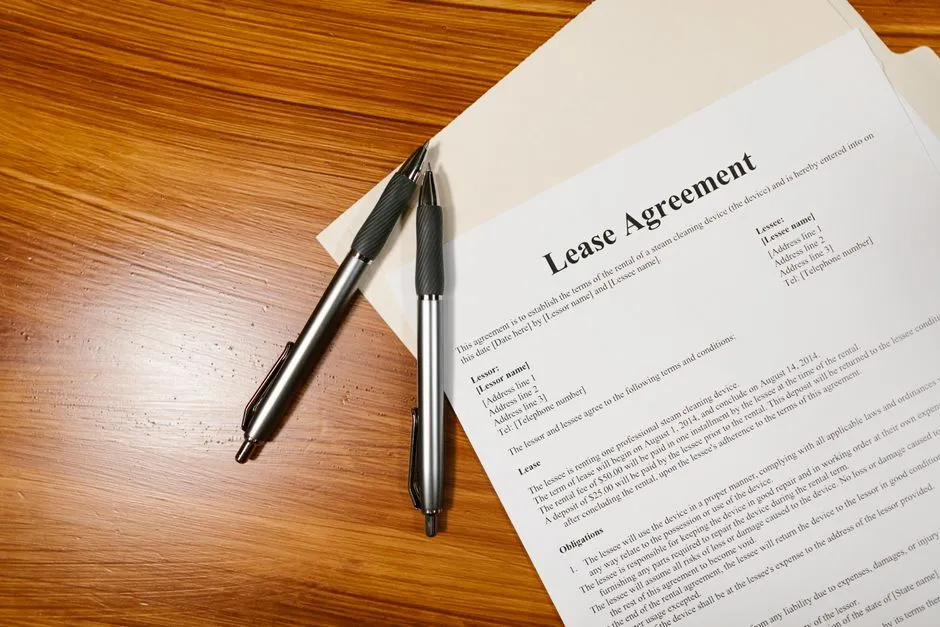
Before examining regional variations, landlords must understand the baseline legal contract holding a tenancy together. A lease agreement is a legally binding contract. Once signed, the rent price is locked for the duration of that specific term, unless the contract contains a distinct "rent escalation clause."
Fixed-Term Leases vs. Periodic Tenancies
The type of tenancy agreement in place dictates when and how you can initiate a rent adjustment:
- Fixed-Term Lease: Typically running for 6, 12, or 24 months. You cannot raise the rent mid-lease. You must wait until the lease term is nearing its end and offer a renewal agreement with the new rate, or allow the lease to transition to a periodic tenancy where local notice rules apply.
- Periodic Tenancy (Month-to-Month): This arrangement offers more flexibility but is subject to strict statutory notice periods. Even without a long-term contract, you cannot raise the rent at will; you must provide the legally mandated notice (usually 30, 60, or 90 days) before the new rate takes effect.
The Concept of Retaliatory and Discriminatory Increases
Even if you follow notice periods perfectly, a rent increase can be deemed illegal if the motivation behind it violates civil rights or tenant protections. Under federal laws in many countries, such as the Fair Housing Act in the United States, you cannot raise rent based on a tenant's race, religion, gender, familial status, or disability.
Additionally, "retaliatory rent increases" are universally illegal. If a tenant recently reported a code violation to the city, requested essential repairs, or joined a tenant union, raising their rent shortly afterward is legally presumed to be retaliation. Landlords must be able to prove that any increase is based on fair market value and rising operational expenses, not as a punishment.
How to Increase Rent Legally: Step-by-Step Process
Regardless of your geographic location, following a standardized, professional protocol minimizes the risk of legal challenges and maintains a professional relationship with your tenants.
Step 1: Review the Existing Lease Agreement
Your lease is your primary legal guide. Search for any clauses regarding rent increases, renewals, or transition to month-to-month terms. Ensure there are no written promises guaranteeing a flat rate beyond the current term.
Step 2: Calculate the Legal Cap and Market Rate
Research state, provincial, or municipal rent control laws to determine the maximum allowable increase. If your area does not have rent control, look at local real estate comps to ensure your proposed increase aligns with the local market. Raising rent above market rates will likely result in an expensive vacancy. Utilizing tools like RentFlow allows you to input these new numbers to calculate your updated net operating income and cash-on-cash yield before presenting them to the tenant.
Step 3: Draft a Formal Rent Increase Notice
A legally compliant rent increase notice must be in writing and contain specific details. A standard letter should include:
- The tenant’s full name and property address.
- The landlord’s contact information.
- The current rent amount.
- The proposed new rent amount.
- The exact date the new rent amount takes effect.
- The date the notice is being served.
- Instructions on how the tenant can accept or decline the increase (e.g., signing a lease amendment or giving notice to vacate).
Step 4: Deliver the Notice via Approved Legal Methods
How you deliver the notice is just as important as what is written inside it. Sending an email or leaving a voicemail is rarely sufficient in a court of law if a dispute arises. Accepted delivery methods typically include:
- Certified Mail with Return Receipt Requested: This provides physical, court-admissible proof of the date the tenant received the notice.
- Personal Hand Delivery: Handing the document directly to the tenant. It is highly recommended to have them sign an acknowledgment of receipt copy for your files.
- Recognized Process Server: In highly contentious situations, hiring a professional server ensures delivery is documented undisputedly.
Rent Increase Rules by Country
Rent increase regulations are highly localized. What is legal in one state, province, or territory may be completely illegal just across the border. Below is a breakdown of the legal notice periods and rent caps across four major global regions.
United States
In the US, landlord-tenant law is governed primarily at the state and municipal levels, meaning rules vary drastically across the country.
State-by-State Variances
States like California, Oregon, and New York have statewide rent control laws that place strict caps on annual increases. Conversely, states like Texas, Florida, and Ohio prohibit local municipalities from enacting rent control, allowing landlords to raise rent to any market-rate amount, provided proper notice is given.
Notice Periods and Caps
- California: Under the Tenant Protection Act (AB 1482), annual rent increases are capped at 5% plus the local Consumer Price Index (CPI), up to a maximum of 10%. Landlords must provide a 30-day notice for increases under 10%, and a 90-day notice if the increase exceeds 10% (for properties exempt from AB 1482).
- New York: For non-regulated apartments, landlords must give 30 days' notice for tenancy under one year, 60 days' notice for tenancies between one and two years, and 90 days' notice for tenancies over two years if they intend to raise the rent by 5% or more. Rent-stabilized apartments are governed by annual guidelines set by local rent guidelines boards.
- Texas: There are no state rent caps. For month-to-month tenancies, landlords must provide a 30-day written notice before raising the rent.
United Kingdom
In the UK, the rules differ slightly depending on whether the property is in England, Wales, Scotland, or Northern Ireland. Most private tenancies are Assured Shorthold Tenancies (ASTs).
England and Wales
For a fixed-term tenancy, rent can only be increased if the tenant agrees or if there is a rent review clause in the tenancy agreement. Once the fixed term ends, if a periodic tenancy is established, landlords can use a "Section 13" notice to propose a rent increase. This can only be done once a year, and landlords must give at least one month’s notice (or one rent-period notice if rent is paid weekly or monthly).
Scotland
Scotland operates under the Private Residential Tenancy (PRT) system. Landlords must use a specific "Landlord’s Rent Increase Notice" form and provide at least three months' advance notice. Rent can only be increased once in any 12-month period. Tenants have the right to refer a rent increase to a Rent Officer if they believe it is unfair compared to local market rates.
Canada
In Canada, residential tenancies are governed by provincial boards, and most provinces enforce strict annual rent increase guidelines.
Ontario
The Ontario Landlord and Tenant Board sets an annual rent increase guideline tied to the Ontario Consumer Price Index. For 2024, the guideline cap is 2.5%. This cap applies to most private residential rental units built or occupied before November 15, 2018. Landlords must use the official Form N1 and provide at least 90 days' written notice. Rent can only be increased 12 months after the tenant moved in or since the last rent increase.
British Columbia
In BC, the Residential Tenancy Branch sets the maximum allowable rent increase annually. For 2024, the limit is 3.5%. Landlords must use the approved "Notice of Rent Increase" form and serve it to the tenant at least three full months before the increase takes effect.
Australia
Australian tenancy laws are managed by individual states and territories, focusing heavily on the frequency of increases.
New South Wales (NSW)
For a fixed-term agreement of less than 2 years, rent cannot be increased unless the agreement specifies the amount or method of calculating the increase. For periodic agreements, rent can only be increased once every 12 months, and landlords must provide at least 60 days' written notice using the correct statutory wording.
Victoria
In Victoria, for leases starting on or after June 19, 2019, rent increases can generally only occur once every 12 months. Landlords must give at least 60 days' written notice using the prescribed consumer affairs form. The tenant has the right to apply to Consumer Affairs Victoria for an official rent assessment if they believe the increase is excessive.
RentFlow lets you track rent, tenants, leases and expenses without spreadsheets — plus free calculators for rental yield, cash flow and legal rent increases across 18 countries.
Comparing Rent Increase Regulations Worldwide
The table below summarizes the notice periods, regulatory limits, and official documentation required across major global jurisdictions for standard residential tenancies.
| Jurisdiction | Minimum Notice Period | Average Cap Level | Best Document/Form to Use |
|---|---|---|---|
| California (US) | 30 to 90 Days | Mid (5% + CPI up to 10%) | Formal Written Letter / Lease Amendment | Texas (US) | 30 Days | None (Market-driven) | Written Notice of Rent Increase | England (UK) | 1 Month (Periodic) | None (Must be "fair") | Section 13 Notice (Form 4) | Ontario (Canada) | 90 Days | Budget (2.5% for 2024) | Landlord and Tenant Board Form N1 | New South Wales (AUS) | 60 Days | None (Subject to appeal) | NSW Fair Trading Notice of Rent Increase |
How to Calculate a Fair and Legally Compliant Rent Increase
To ensure your rent increase is both legally defensible and financially sound, you must balance local legal caps with real-world market data. Setting the rent too high will drive out good tenants, costing you more in vacancy and turnover expenses than the rent increase would have generated.
Analyzing Local Market Comps
Look at active rental listings on platforms like Zillow, Rightmove, or Realestate.com.au for properties within a 1-mile radius of yours. Compare properties with the exact same bedroom and bathroom count, square footage, and level of renovation. Keep a record of these listings; if a tenant challenges your rent increase in a housing tribunal, having printed comps proving your rate matches the local market is invaluable evidence.
factoring in Operating Expenses
A legally compliant rent increase should be backed by clear financial math. Calculate how much your property taxes, HOA fees, landlord insurance, and routine maintenance costs have increased over the past 12 months. When explaining an increase to a tenant, being able to state, "Property insurance premiums in our zip code increased by 18% this year," shifts the conversation from a personal dispute to a professional business reality.
Using Financial Tools for Precision
Instead of guessing, smart landlords use structured financial tools. A dedicated cash-flow calculator like RentFlow allows you to input your current mortgage, rising expenses, and potential new rental rates. This helps you visualize your adjusted capitalization rate (Cap Rate) and Cash-on-Cash Return. By seeing the exact impact of a 3% versus a 5% increase on your bottom line, you can make a data-driven decision that keeps your investment profitable without overcharging your tenant.
How to Communicate a Rent Increase to Your Tenant
How you communicate the rent raise can mean the difference between a cooperative tenant who signs the renewal and an angry tenant who stops paying rent or damages the property. Transparency and professionalism are key.
Provide Ample Warning
Even if the law only requires 30 days' notice, giving your tenant 60 or 90 days' notice is a sign of respect. It gives them ample time to adjust their personal budget or search for alternative housing if they cannot afford the new rate. This reduces the friction of the transition.
Focus on Value and Transparency
When sending the notice, include a brief, polite cover letter. Outline any upgrades or major maintenance completed during their tenancy (e.g., a new HVAC system, repaired decking, or upgraded appliances). Remind them of the benefits of staying, such as avoiding moving costs, application fees, and new security deposits.
Offer Room for Negotiation
If you have an excellent, reliable tenant who pays on time and takes care of the property, it is often worth keeping them slightly below market rate. You might offer a compromise: "The market rate supports a $150 increase, but because you are a valued tenant, I am offering a renewal with a $75 increase." You can also negotiate non-monetary terms, such as offering a free carpet cleaning or installing a smart thermostat in exchange for accepting the new rent rate.
Common Mistakes to Avoid
Many landlords find themselves in hot water not because they wanted to raise the rent, but because they bypassed the strict legal procedures required to do so. Avoid these common pitfalls:
- Increasing rent during a fixed-term lease: Unless specifically outlined in a rent escalation clause signed at the start of the tenancy, you cannot raise the rent until the lease term expires.
- Using informal communication channels: Sending a text message, WhatsApp, or casual email to notify a tenant of a rent hike is legally invalid in most regions. If the tenant ignores it, you cannot legally enforce the new rate.
- Failing to use statutory forms: In jurisdictions like Ontario, Scotland, or Victoria, you must use the government-approved template forms. Using your own drafted letter can result in the entire rent increase being declared null and void by a tribunal.
- Retaliating against tenant complaints: Raising the rent immediately after a tenant requests a repair or files a complaint with a local housing authority is a violation of landlord-tenant law and can result in heavy financial penalties.
- Ignoring local rent control exemptions: Assuming your property is exempt from local rent caps without verifying its age, construction date, or ownership structure can lead to severe legal consequences.
Frequently Asked Questions
Can a landlord raise the rent without a written agreement?
No. In almost all legal jurisdictions, a rent increase must be executed in writing. Verbal agreements are incredibly difficult to prove and are not legally binding in landlord-tenant courts or tribunals if a dispute arises. Always use formal written notices or lease amendments.
What happens if a tenant refuses to pay a legal rent increase?
If the rent increase is fully compliant with local laws, notice periods, and rent caps, and the tenant refuses to pay, they are in breach of their lease agreement. You can issue a non-payment of rent notice, which may eventually lead to eviction proceedings. However, you must ensure your notice was served perfectly before taking legal action.
Is there a limit to how much a landlord can raise the rent if there is no rent control?
If your property is located in an area without rent control laws, there is no legal ceiling on how much you can raise the rent. However, you are still bound by market realities. If you raise the rent significantly above market value, the tenant will likely vacate, leaving you with a costly empty unit and turnover expenses.
Can rent be increased twice in the same year?
In most jurisdictions, including the UK, Australia, Canada, and many US states, rent can only be increased once every 12 months. Even in areas without explicit caps, courts look unfavorably on multiple rent increases within a single year unless a new lease agreement is mutually signed.
Can I raise the rent if I renovate the property?
Yes, property renovations are a primary justification for rent increases. However, you must still wait for the lease term to end or follow the standard notice periods. In some rent-controlled areas, you can apply to the local housing board for a "capital improvement" exemption to raise rent above the statutory cap to recoup renovation costs.
Does a rent increase notice have to be sent by certified mail?
While not always strictly required by every local law, sending a rent increase notice via certified mail with a return receipt is highly recommended. It provides undeniable, time-stamped proof that the tenant received the document, protecting you against claims that they were never notified.
Navigating the legalities of raising rent requires a thorough understanding of local statutes, impeccable documentation, and clear, respectful communication with your tenants. By calculating your expenses accurately, checking local caps, and issuing formal notices within the correct timeframes, you can protect your investment’s profitability while maintaining a positive landlord-tenant relationship.

Landlord & Rental Guides Writer, Tabserve
Selçuk writes RentFlow's landlord and rental-property guides — leases, tenant screening, rent increases and the numbers behind rental yield.
 Get the free RentFlow app