The Ultimate Rental Property Inspection Checklist: Move-In, Periodic, and Move-Out Guide
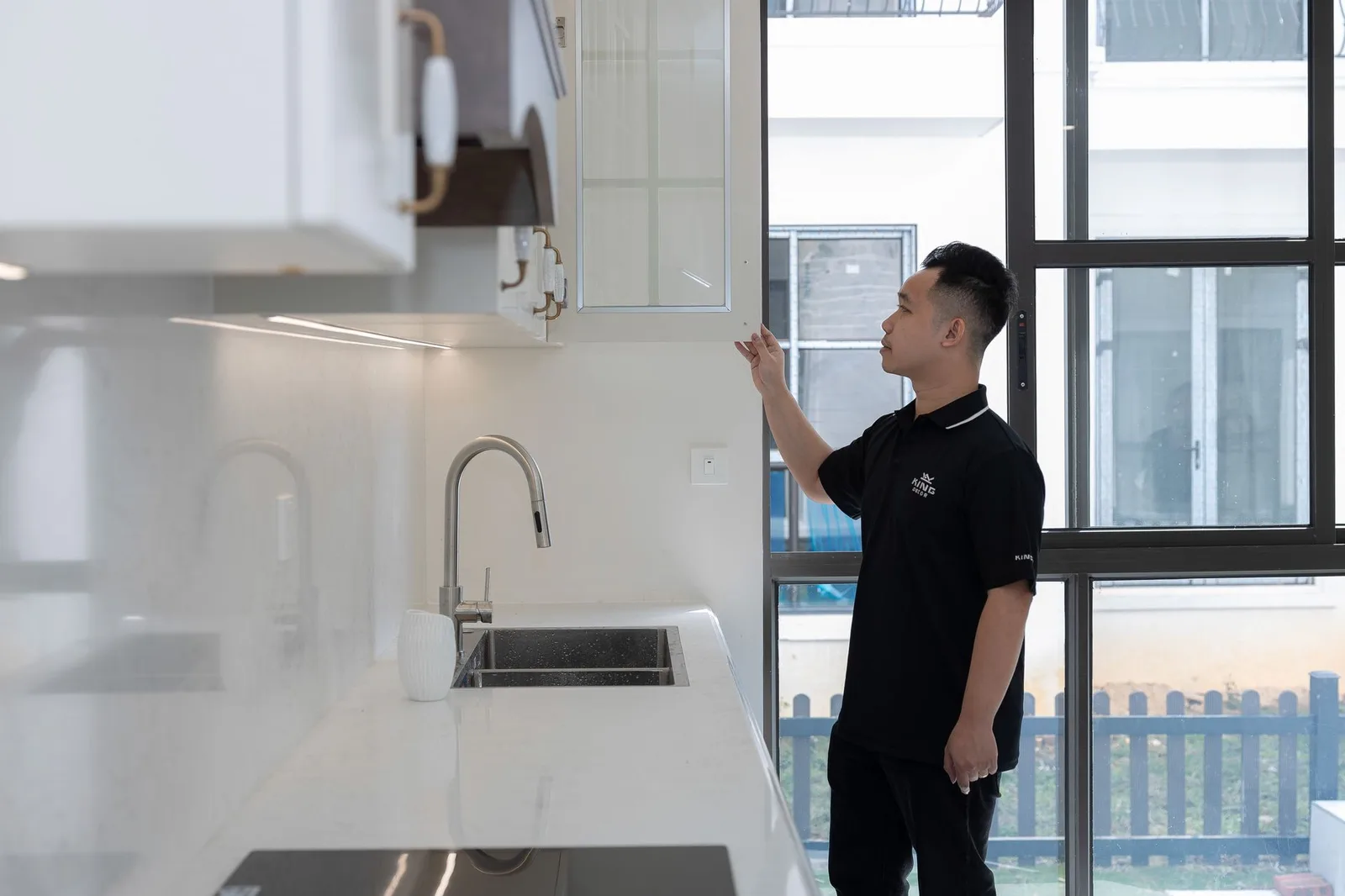
A structured rental property inspection checklist protects your real estate investment, prevents security deposit disputes, and maintains tenant satisfaction. By executing thorough move-in, periodic, and move-out walkthroughs, landlords can document property conditions systematically. This comprehensive guide provides step-by-step checklists, actionable documentation strategies, and free templates to optimize your property management workflow.
Managing a rental property requires consistent oversight to preserve the asset's value and ensure a safe living environment for your tenants. Without a standardized process, minor maintenance issues can quickly escalate into expensive structural repairs, and security deposit disputes can lead to costly legal battles. Utilizing a comprehensive rental property inspection checklist is the most effective way to eliminate ambiguity and establish a transparent, objective record of your property's condition over time.
Contents
- Key Takeaways
- Why You Need a Standardized Rental Property Inspection Checklist
- The Three Core Types of Rental Inspections
- The Comprehensive Move-In Rental Property Inspection Checklist
- The Periodic Maintenance & Safety Checklist
- The Move-Out Inspection: Wear and Tear vs. Damage
- How to Document Property Condition to Prevent Disputes
- Common Mistakes to Avoid
- Frequently Asked Questions
Key Takeaways
- Document with Date-Stamped Media: Always back up your written checklists with high-resolution, date-stamped photos and videos of every room, focusing on pre-existing wear and tear.
- Maintain a Regular Inspection Cadence: Schedule periodic inspections every 3 to 6 months to catch plumbing leaks, HVAC issues, and lease violations before they escalate.
- Understand Legal Notice Requirements: State and local laws strictly govern when and how a landlord can enter an occupied property; always provide the legally mandated notice (typically 24 to 48 hours).
- Protect Your Cash Flow: Proactive maintenance identified during inspections directly impacts your net operating income and long-term investment yield.

Why You Need a Standardized Rental Property Inspection Checklist
An inspection checklist is more than just a piece of paper; it is a vital legal and financial shield. For both landlords and tenants, a mutually signed inspection report establishes an undisputed baseline. If a tenant claims that a cracked window pane or a stained carpet was present before they moved in, the signed move-in checklist provides the definitive answer.
Furthermore, regular inspections help landlords monitor the physical health of their investments. Water damage from a slow, hidden pipe leak can cost thousands of dollars to remediate if left unchecked for a year. A quick periodic walkthrough can catch this issue early, preserving your property's structural integrity and protecting your monthly cash flow. Understanding your financial metrics, such as cap rate and cash-on-cash return, is essential when planning these maintenance budgets. To learn more about calculating these figures, check out the Wikipedia Capitalization Rate definition to see how expenses affect your overall valuation.
The Three Core Types of Rental Inspections
To manage a rental property successfully, you must implement three distinct types of inspections throughout the tenancy lifecycle. Each serves a unique purpose and requires a slightly different focus.
| Inspection Type | Time Needed | Cost Level | Best For |
|---|---|---|---|
| Move-In Inspection | 1 - 2 Hours | Budget (Time only) | Establishing property baseline with the new tenant present. |
| Periodic / Seasonal | 30 - 45 Minutes | Budget (Time only) | Identifying preventative maintenance issues and safety hazards. |
| Move-Out Inspection | 1 - 2 Hours | Budget (Time/Deposit) | Assessing tenant damages versus normal wear and tear. |
1. The Move-In Inspection
This inspection occurs right before the tenant takes possession of the property. The landlord and tenant should walk through the clean, empty unit together, testing appliances, opening windows, and noting any cosmetic blemishes. Both parties must sign and date the completed checklist, and each should retain a copy.
2. The Periodic (Routine) Inspection
Typically conducted semi-annually or quarterly, this walkthrough ensures the tenant is maintaining the property according to the lease agreement. The focus here is on seasonal maintenance (such as clearing gutters or checking heating systems before winter) and identifying unauthorized pets, occupants, or safety hazards like disabled smoke alarms.
3. The Move-Out Inspection
Conducted once the tenant has completely packed and cleaned the unit, this inspection compares the current state of the property against the original move-in checklist. This comparison forms the legal basis for any deductions made from the tenant's security deposit for damages beyond normal wear and tear.

The Comprehensive Move-In Rental Property Inspection Checklist
When executing a move-in inspection, you must examine every room systematically. Use this room-by-room breakdown to ensure no detail is overlooked.
Living Areas and Bedrooms
These spaces are highly visible and prone to cosmetic damage. Examine the following elements closely:
- Walls and Baseboards: Look for scuffs, dents, holes from picture hangers, or peeling paint.
- Flooring: Check carpets for stains, burns, or excessive wear. Inspect hardwood or laminate for deep scratches, warping, or separation.
- Windows and Screens: Open and close every window. Verify that locks function properly, glass is unbroken, and screens are free of tears.
- Outlets and Switches: Test all light switches. Use a simple outlet tester to ensure all electrical receptacles are live and wired correctly.
- Closets: Confirm that closet doors slide smoothly on their tracks and shelves are securely anchored.
Kitchen Inspection Protocol
The kitchen contains the highest concentration of appliances and plumbing fixtures, making it a critical area for detailed inspection.
Appliance Functionality
Test every appliance to confirm it is in working order:
- Refrigerator: Check that the temperature is set correctly, door seals are tight, and the light bulb works. If there is an ice maker, verify it produces ice.
- Oven and Range: Turn on all burners to ensure they heat up. Turn on the oven and check the broiler. Confirm the oven light works.
- Dishwasher: Run a short cycle to verify it fills, drains, and does not leak from the bottom door seal.
- Microwave: Ensure the turntable rotates and the heating element functions.
Plumbing and Cabinetry
- Sink and Faucet: Run hot and cold water. Check for adequate water pressure. Inspect under the sink with a flashlight for any signs of active leaks, damp wood, or mold.
- Cabinets and Drawers: Open and close all cabinet doors and drawers to ensure hinges and glides function smoothly. Check for clean interior surfaces.
Bathroom Inspection Checklist
Moisture is the primary enemy of bathrooms. Your inspection must focus heavily on water management and ventilation.
- Toilet: Flush the toilet to check for proper operation. Feel around the base of the toilet for leaks or soft flooring, which indicates a failed wax ring.
- Shower and Tub: Inspect the grout and caulk lines for cracks or missing sections that could allow water to penetrate the walls. Test the showerhead and tub spout divertor.
- Vanity and Sink: Run water to check drainage. Inspect the supply lines and P-trap beneath the sink for slow drips.
- Ventilation Fan: Turn on the exhaust fan. Ensure it draws air effectively to prevent mold growth. A simple test is holding a single sheet of toilet paper up to the grille; the suction should hold it in place.
RentFlow lets you track rent, tenants, leases and expenses without spreadsheets — plus free calculators for rental yield, cash flow and legal rent increases across 18 countries.
The Periodic Maintenance & Safety Checklist
Periodic inspections are not about judging a tenant\'s housekeeping style, but rather about protecting the property and ensuring safety compliance. Always respect your tenant\'s privacy and provide proper written notice prior to entry, complying with local tenant-landlord regulations.
Essential Safety Systems
Your primary duty as a landlord is to provide a habitable and safe home. During every periodic inspection, prioritize these items:
- Smoke and Carbon Monoxide Detectors: Test every detector by pressing the test button. Replace batteries annually, and check the manufacture date on the back of the unit (detectors generally must be replaced every 10 years).
- Fire Extinguishers: If provided, check that the pressure gauge is in the green zone and the safety pin is intact.
- HVAC Filters: Replace furnace and air conditioning filters. Clean filters improve air quality and prevent strain on the HVAC system, extending its lifespan.
- Egress Routes: Ensure hallways, stairs, and emergency exit windows are completely clear of clutter and obstructions.
Exterior and Structural Integrity
If you manage single-family homes or townhouses, walk the exterior of the property at least twice a year:
- Roof and Gutters: Look from the ground for missing shingles or sagging gutters. Ensure downspouts direct water at least three feet away from the foundation.
- Foundation and Siding: Check for large cracks in the foundation or gaps in the siding where pests could enter.
- Trees and Landscaping: Verify that tree branches are not scraping against the roof or siding, which can cause severe damage during high winds.
The Move-Out Inspection: Wear and Tear vs. Damage
The move-out inspection is often the most stressful phase of property management. The key to a smooth transition is understanding the legal distinction between "normal wear and tear" and "tenant damage." For official regulatory guidance on security deposits and landlord-tenant rights, you can reference the U.S. Department of Housing and Urban Development (HUD) website, which outlines federal housing standards and resources.
Defining Normal Wear and Tear
Normal wear and tear is the natural deterioration of a property that occurs because of ordinary, everyday use. Examples include:
- Minor scuff marks on walls from furniture placement.
- Gently worn carpet in high-traffic hallways.
- Faded paint or wallpaper caused by sunlight exposure.
- Loose door handles or cabinet hinges from repeated use.
Landlords cannot legally charge tenants or deduct from their security deposit to fix normal wear and tear.
Defining Tenant Damage
Tenant damage results from negligence, abuse, accidents, or unauthorized alterations to the property. Examples include:
- Large holes in drywall from wall-mounted TVs or physical impacts.
- Carpet burns, pet urine stains, or torn flooring.
- Broken windows, cracked mirrors, or bent window screens.
- Heavy grease buildup on kitchen walls or uncleaned ovens.
- Unauthorized paint colors or permanent modifications.
Landlords are legally permitted to deduct the actual cost of repairing these damages from the tenant's security deposit, provided they supply an itemized invoice of the repairs.
How to Document Property Condition to Prevent Disputes
If you ever find yourself in a small claims court over a security deposit dispute, your documentation will make or break your case. Follow these best practices for bulletproof evidence:
High-Resolution, Date-Stamped Photography
Never rely solely on written descriptions. Take clear, well-lit photos of every wall, ceiling, floor, and appliance.
The "Wide-to-Close" Method
For every room, take a wide-angle shot of the entire space to establish context. Then, step closer and take high-resolution macro photos of any specific blemishes, cracks, or stains. Place a physical object, like a coin or a ruler, next to a scratch or dent to provide a clear sense of scale.
Video Walkthroughs
In addition to photos, record a continuous video walkthrough of the property before move-in and after move-out. Speak aloud during the recording to describe what you are looking at (e.g., "Recording the master bedroom south wall; note the small 2-inch scuff near the baseboard"). This creates a narrative record that is highly difficult to dispute.
Common Mistakes to Avoid
Avoid these common pitfalls to keep your rental inspections legal, efficient, and stress-free:
- Failing to Provide Proper Notice: Never show up unannounced. Entering a rental unit without the legally required notice violates the tenant's right to quiet enjoyment and can lead to legal action. Always check your state's specific laws regarding notice periods.
- Conducting the Inspection Alone: Whenever possible, perform the move-in and move-out inspections with the tenant present. This allows you to discuss issues in real-time, reach an agreement on the spot, and get immediate signatures.
- Vague Descriptions on the Checklist: Avoid writing generic terms like "OK" or "Fine." Instead, use descriptive terms such as "Clean, no scratches," "Freshly painted," or "Minor wear near doorway."
- Neglecting Exterior Inspections: Do not focus exclusively on the interior. Neglecting foundation cracks, clogged gutters, or overhanging branches can result in massive structural repair bills later on.
- Forgetting to Test Safety Equipment: Skipping the smoke detector or carbon monoxide test is a severe liability risk. If a fire occurs and the detectors were non-functional because of dead batteries, the landlord can be held legally responsible.
Frequently Asked Questions
Can a landlord do random inspections?
No, landlords cannot perform random, unannounced inspections. Tenants have a legal right to quiet enjoyment of their rented home. Landlords must provide advance written notice—typically 24 to 48 hours—stating the date, time, and purpose of the entry, except in extreme emergencies like a fire or active flooding.
What happens if a tenant refuses to sign the move-in checklist?
If a tenant refuses to sign the move-in checklist, document their refusal on the form itself. Take exhaustive photos and video of the property's condition on that day. Send a digital copy of the completed checklist and photos to the tenant via email or certified mail to establish a dated record that they received it, even if they chose not to sign.
How often should a landlord inspect a rental property?
A standard, healthy cadence is to inspect the property once every 6 months (semi-annually). This frequency allows you to perform seasonal preventative maintenance without making the tenant feel micromanaged or violated. Inspecting more often than quarterly may border on harassing the tenant, unless there is a documented history of lease violations.
Can a landlord deduct cleaning fees from a security deposit?
Yes, but only if the cleaning is required to return the unit to the level of cleanliness it was in at the start of the tenancy. Landlords cannot deduct for basic, light cleaning that falls under normal wear and tear. If the tenant leaves behind trash, dirty appliances, or filthy bathrooms, the landlord can deduct the actual, documented cost of professional cleaning services.
Are digital signatures legally binding on rental inspection checklists?
Yes, in most jurisdictions, digital signatures on electronic rental checklists are fully legally binding. Utilizing property management software or secure e-signature platforms makes it easy to sign, store, and share inspection reports instantly, ensuring they never get lost or damaged.
What should I do if I find a lease violation during a periodic inspection?
If you discover a lease violation, such as an unauthorized pet or smoking inside the unit, document the evidence with photos. Issue a formal, written "Notice to Cure or Quit" to the tenant. This notice clearly states the violation, the specific clause of the lease being breached, and a set timeframe (usually 3 to 10 days, depending on local laws) in which they must resolve the issue.
Implementing a rigorous rental property inspection checklist is a fundamental pillar of professional property management. By systematically documenting your property's condition, communicating transparently with your tenants, and addressing maintenance proactively, you will safeguard your real estate assets, minimize vacancies, and maximize your long-term investment yields.

Landlord & Rental Guides Writer, Tabserve
Selçuk writes RentFlow's landlord and rental-property guides — leases, tenant screening, rent increases and the numbers behind rental yield.
 Get the free RentFlow app