Furnished vs Unfurnished Rental: Landlord Guide to Yields, Taxes, and Costs
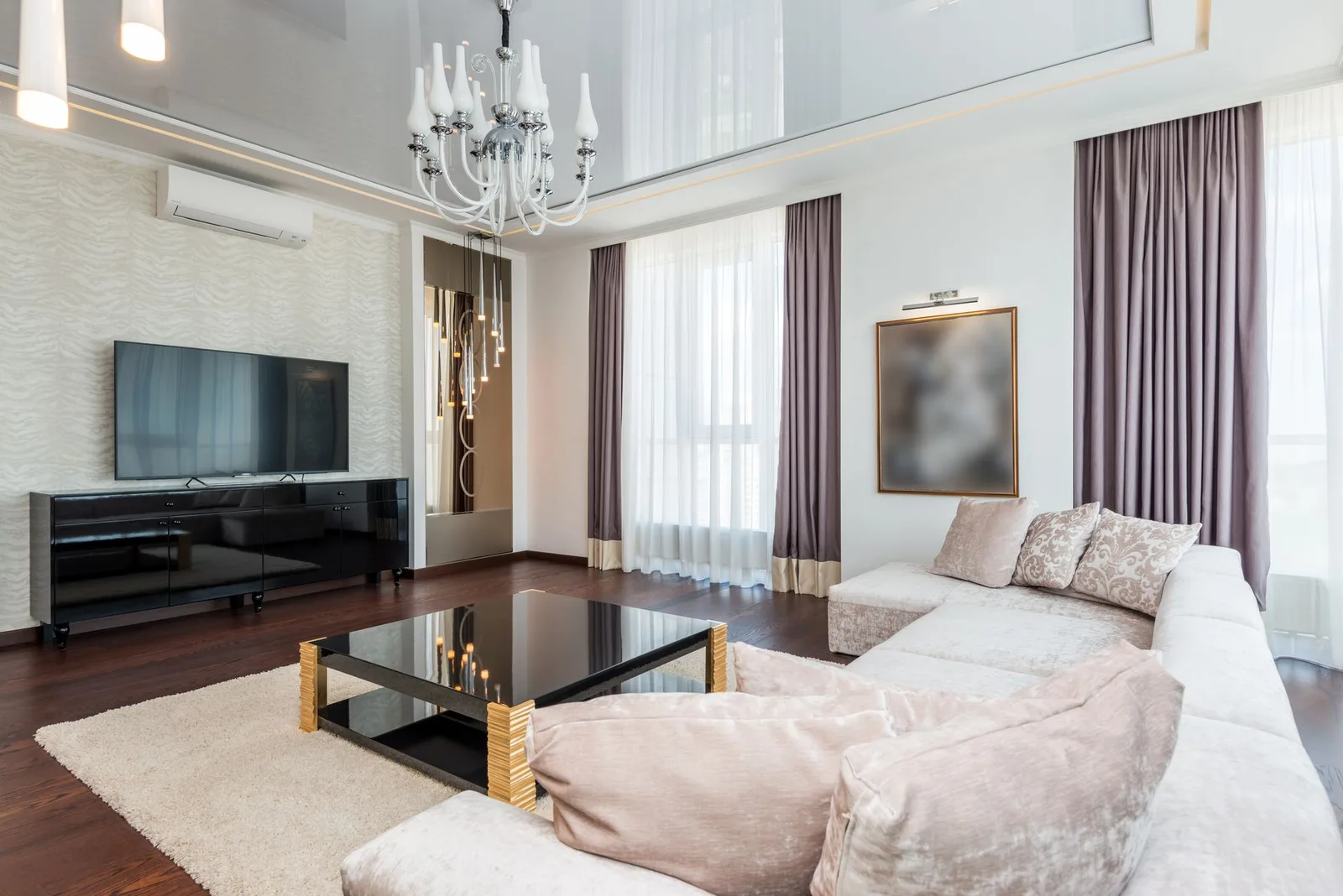
Deciding between a furnished vs unfurnished rental requires balancing higher upfront capital expenditure against potential rent premiums of 15% to 30%. While furnished properties attract short-term tenants and offer distinct tax depreciation benefits, they suffer from higher wear-and-tear and vacancy rates. Unfurnished properties provide stable, long-term tenancy agreements with minimal ongoing maintenance costs, making them the preferred choice for risk-averse landlords seeking predictable cash flows.
For residential property investors, maximizing net yield requires making a fundamental structural decision before placing a property on the market: should you lease the property fully furnished, or present it as an empty canvas? The choice between a furnished vs unfurnished rental impacts every line item on your investment property balance sheet. It dictates your initial capital outlay, determines your target tenant demographic, alters your insurance risk profile, and fundamentally changes how local tax authorities treat your rental income and asset depreciation.
Contents
- Key Takeaways
- Defining the Spectrum: What Qualifies as Furnished?
- Financial Comparison: Upfront Costs and Yield Premiums
- The Pros and Cons of Furnished Rentals
- The Pros and Cons of Unfurnished Rentals
- Tax Implications and Depreciation Rules
- Target Demographics: Matching Your Property to the Market
- How to Calculate Your True Net Yield (The RentFlow Approach)
- Common Mistakes to Avoid
- Frequently Asked Questions
Key Takeaways
- Rent Premiums Vary by Market: Furnished properties command 15% to 30% higher monthly rent, but this premium is highly dependent on urban density and local corporate demand.
- Tax Implications Matter: Furnished rentals allow for significant capital allowance and depreciation deductions on furniture, fixtures, and equipment (FF&E), though rules vary by jurisdiction.
- Vacancy Risk is Higher: Tenant turnover is substantially faster in furnished units, leading to higher annual marketing costs and potential rental income gaps.
- Asset Protection is Vital: Landlord insurance policies must be specifically tailored to cover contents when renting a furnished property to avoid catastrophic out-of-pocket replacement costs.
Defining the Spectrum: What Qualifies as Furnished?
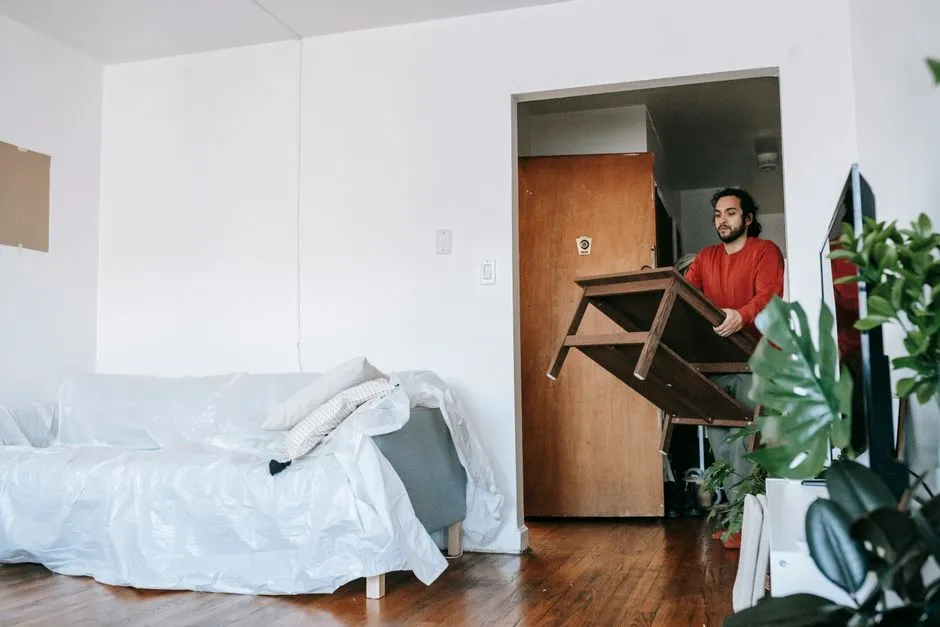
Before analyzing the financial trade-offs, landlords must understand that "furnished" is not a binary term. In the residential leasing market, properties generally fall into one of three distinct categories, each carrying its own level of landlord liability and capital requirements.
Unfurnished Rentals
An unfurnished property is not completely bare. It typically includes essential fixtures, floor coverings (carpets or hardwood), window blinds or curtains, and white goods (such as a built-in oven and stove). The tenant is expected to provide their own refrigerator, washing machine, beds, sofas, tables, and decorative items. This is the standard offering for long-term suburban family homes.
Part-Furnished Rentals
A part-furnished property bridges the gap by providing major kitchen appliances (refrigerator, washing machine, and sometimes a dishwasher) alongside basic dining and living room furniture, such as a dining table and chairs, and perhaps a sofa. Bedrooms are usually left empty to allow tenants to bring their own mattresses and beds, which is often preferred for hygienic reasons.
Fully Furnished Rentals
A fully furnished rental is a turnkey living space. A tenant should be able to move in with nothing but their personal luggage. This level of furnishing includes all major white goods, complete bedroom sets (bed frames, mattresses, wardrobes), living room seating, dining sets, television units, and essential household inventory. The inventory often extends to small kitchen appliances (microwaves, kettles, toasters), crockery, cutlery, pots and pans, and basic cleaning equipment like vacuum cleaners.
Financial Comparison: Upfront Costs and Yield Premiums
The primary driver behind opting for a furnished vs unfurnished rental is the pursuit of a higher gross rental yield. However, a higher gross yield does not always translate directly into a superior net return on investment (ROI) once setup costs and ongoing maintenance are factored in.
The Furnishing Capital Expenditure (CapEx)
Furnishing a standard two-bedroom apartment to an acceptable, durable standard requires a significant upfront investment. Landlords must avoid the temptation to purchase the cheapest possible flat-pack furniture, as low-durability items will fail within the first 12 to 24 months of tenancy, eroding any yield gains through constant replacement costs. Commercial-grade or heavy-duty residential furniture is required to withstand the wear and tear of multiple tenant transitions.
The Rent Premium Reality
In metropolitan business districts, near university campuses, or in major tourist hubs, a fully furnished apartment can command a premium of 15% to 30% over an identical unfurnished unit. For example, if a standard unfurnished two-bedroom apartment rents for $2,000 per month, the furnished equivalent might secure $2,300 to $2,600 per month. In contrast, in suburban or rural family-dominated markets, the premium for a furnished home is often negligible, as the target demographic prefers to use their own personal belongings.
| Furnishing Strategy | Typical Capital Outlay | Rent Premium Potential | Average Tenant Stay | Best Suited For |
|---|

The Pros and Cons of Furnished Rentals
Operating a furnished rental property behaves more like running a hospitality business than a traditional real estate investment. Landlords must weigh the increased cash flow against the operational complexity.
The Advantages of Furnishing
- Higher Monthly Rental Income: As detailed above, tenants pay a premium for the convenience of a ready-to-live space, directly boosting your gross rental yield.
- Attracting High-Value Tenants: Corporate relocations, embassy staff, visiting academics, and contract consultants represent highly reliable, well-funded tenants who exclusively seek premium, fully furnished accommodations.
- Shorter Void Periods in Peak Seasons: Furnished properties are highly attractive to tenants who need to move quickly without the logistical delay of hiring moving companies, allowing for rapid tenant placement during high-demand months.
- Tax Depreciation Benefits: In many tax jurisdictions, the cost of purchasing furniture and appliances can be depreciated over their useful lives, offsetting taxable rental income.
The Disadvantages of Furnishing
- High Upfront Capital Requirements: Budgeting for high-quality, durable furniture can delay your initial break-even point on the property.
- Ongoing Maintenance and Replacement: Furniture wears out. Sofas stain, bed frames creak, and appliances break. The landlord is legally responsible for repairing or replacing any item provided in the inventory during the tenancy.
- Increased Tenant Turnover: Tenants looking for furnished properties are often transient. High turnover means more frequent leasing fees, cleaning costs, and administrative burdens.
- Complex Inventory Management: Every tenancy transition requires a meticulous inventory check to identify missing or damaged items, which can lead to frequent deposit disputes.
The Pros and Cons of Unfurnished Rentals
For landlords who prefer a passive, low-touch investment strategy, the unfurnished route is often the most sustainable long-term option.
The Advantages of Going Unfurnished
- Longer Tenancy Durations: Tenants who move in with their own furniture incur significant moving costs and physical effort. Consequently, they are statistically much more likely to renew their leases, resulting in stable, multi-year occupancies.
- Minimal Ongoing Maintenance Costs: Without furniture or loose appliances to manage, your maintenance requests are largely limited to structural issues, plumbing, heating, and permanent electrical systems.
- Reduced Liability and Administrative Overhead: There is no need for comprehensive inventory lists of minor items, and the risk of disputes regarding wear-and-tear on furniture at the end of a lease is entirely eliminated.
- Lower Insurance Premiums: Landlord insurance policies for unfurnished properties are generally less expensive because they do not need to cover the loss or damage of high-value internal contents.
The Disadvantages of Going Unfurnished
- Lower Rental Yields: You miss out on the monthly rent premiums that corporate tenants and short-term renters are willing to pay.
- Slower Initial Leasing in Certain Urban Pockets: If your property is a small studio apartment in a dense city center, presenting it as unfurnished may alienate the local target demographic of young professionals who do not own furniture.
- No Furniture Depreciation Deductions: Since you have not purchased furniture or appliances, you cannot claim these specific capital allowance deductions on your annual tax returns.
RentFlow lets you track rent, tenants, leases and expenses without spreadsheets — plus free calculators for rental yield, cash flow and legal rent increases across 18 countries.
Tax Implications and Depreciation Rules
The tax treatment of furnished vs unfurnished rental properties is a critical factor that directly influences your net cash flow. Tax authorities across different regions treat capital expenditures on furniture very differently than routine maintenance expenses.
Capital Allowances and Plant & Machinery Depreciation
When you purchase furniture, white goods, or electronics for a rental property, these are generally classified as capital assets rather than immediate operating expenses. Instead of deducting the entire cost of a $2,000 sofa in year one, you must typically depreciate the asset over its designated useful life. For example, tax authorities may dictate that furniture has a useful life of five to eight years, allowing you to deduct a set percentage of its value each year from your taxable rental income.
The Replacement of Domestic Items Relief
In certain jurisdictions, such as the United Kingdom, landlords cannot claim tax relief for the initial cost of furnishing a property. However, under rules like the UK Government Property Income Manual, landlords can claim "Replacement of Domestic Items Relief." This allows you to deduct the actual cost of replacing sofas, beds, refrigerators, and carpets from your rental profits, provided the old item is completely disposed of and the replacement is of a similar standard.
Capital Gains Tax Considerations
It is important to note that while furniture depreciation can reduce your annual income tax liability, it does not typically affect your property's cost basis for Capital Gains Tax (CGT) purposes when you eventually sell the real estate. Personal property (chattels) like furniture is treated separately from the real property itself. To ensure compliance and optimize your tax position, always consult a certified public accountant familiar with the specific property tax codes in your region, such as the guidelines provided by the Internal Revenue Service in the United States.
Target Demographics: Matching Your Property to the Market
Choosing whether to furnish your rental property should not be based on personal preference; it must be an objective decision driven by local market demand. Analyzing the demographics of your target tenant pool is essential for minimizing vacancy rates.
The Corporate Expatriate
These are high-earning professionals relocated by their employers for projects lasting 6 to 24 months. They expect premium, fully furnished apartments in central business districts, complete with modern aesthetics, high-speed internet readiness, and high-end kitchen appliances. They are highly price-insensitive, making them the ideal target for furnished luxury rentals.
The Student and Young Professional
Students and recent graduates rarely have the capital to purchase furniture or the means to transport it. They seek fully furnished or part-furnished apartments near university campuses or public transit corridors. While they require furniture, they do not demand luxury; durability, functional study spaces, and practical storage are their primary priorities.
The Long-Term Family Tenant
Families looking to rent suburban three-to-five-bedroom homes almost always demand unfurnished properties. They already own a household of furniture, customized to their specific tastes and family size. Forcing a furnished home on this demographic will severely limit your applicant pool, as they will not pay to store your furniture in order to move theirs in.
How to Calculate Your True Net Yield (The RentFlow Approach)
To determine if the financial premium of a furnished rental justifies the upfront cost and ongoing maintenance, landlords must look past gross rental yields and calculate their true net yield. This process requires a precise accounting of all operational expenses, vacancy allowances, and capital depreciation.
The Gross Yield Formula vs. The Net Yield Formula
Gross yield is a simple calculation: (Annual Rental Income / Property Purchase Price) * 100. While easy to calculate, this formula completely ignores the costs of running the property.
To find your true net yield, you must use the following formula:
Net Yield = ((Annual Rental Income - Annual Operating Expenses) / Total Property Investment) * 100
When calculating the net yield of a furnished property, your "Total Property Investment" must include the initial cost of the furniture package, and your "Annual Operating Expenses" must include a capital reserve fund for furniture replacement (typically 10% to 15% of the furniture's total value annually) and a higher projected vacancy rate.
Step-by-Step Yield Calculation Example
Let us compare an identical apartment purchased for $300,000 under both strategies over a five-year holding period:
Scenario A: Unfurnished Rental
- Monthly Rent: $1,800 ($21,600 annually)
- Upfront Furnishing Cost: $0
- Total Initial Investment: $300,000
- Annual Operating Expenses: $3,600 (taxes, insurance, basic maintenance)
- Average Vacancy Rate: 3% ($648 annually)
- Net Annual Income: $17,352
- True Net Yield: 5.78%
Scenario B: Fully Furnished Rental
- Monthly Rent: $2,250 ($27,000 annually)
- Upfront Furnishing Cost: $8,000
- Total Initial Investment: $308,000
- Annual Operating Expenses: $4,800 (taxes, higher landlord insurance, general maintenance)
- Furniture Replacement Fund: $1,200 annually
- Average Vacancy Rate: 8% ($2,160 annually due to higher turnover)
- Net Annual Income: $18,840
- True Net Yield: 6.12%
In this scenario, the furnished option yields a higher net return, but the margin is narrower than the gross rent difference suggests. Landlords must decide if the extra 0.34% in net yield is worth the operational hassle of managing inventory, handling turnovers, and coordinate repairs. Utilizing specialized landlord financial tools, like the RentFlow yield and cash-flow calculators, helps investors run these scenarios automatically using real-time local market data.
Common Mistakes to Avoid
- Failing to Create a Detailed Inventory Report: Never hand over a furnished property without a comprehensive, photographic inventory signed by both parties. Without this, proving a tenant damaged or stole an item at the end of the tenancy is nearly impossible, rendering deposit claims invalid.
- Using Low-Quality, Cheap Furniture: Opting for cheap, lightweight furniture to save on upfront costs is a false economy. It will break quickly under normal rental usage, leading to frequent emergency maintenance calls, tenant dissatisfaction, and premature replacement costs.
- Ignoring Fire Safety and Local Compliance Regulations: In many regions, landlords are legally required to ensure all upholstered furniture (sofas, mattresses, cushions) complies with strict fire safety standards and carries official safety labels. Installing non-compliant furniture can lead to severe fines and void your landlord insurance.
- Over-furnishing the Property: Landlords often clutter properties with unnecessary decorative items, excessive kitchen gadgets, or personal belongings. This reduces the functional living space, makes the property harder to clean during turnovers, and increases the size of the inventory you must manage.
- Neglecting Specific Landlord Insurance Contents Cover: Standard landlord building insurance does not cover your furniture, electronics, or white goods inside the property. Failing to add a specific contents rider to your policy leaves you completely exposed to losses from theft, fire, or severe water damage caused by tenants.
Frequently Asked Questions
Does furnishing a rental property increase its value?
No, furnishing a rental property does not increase its underlying real estate value or its appraised market value for refinancing. Appraisers evaluate properties based on comparable sales of physical structures and land. While high-quality furniture can make a property more appealing to prospective buyers during staging, the furniture itself is considered personal property (chattels) and is depreciated rapidly, rather than adding to the long-term capital appreciation of the real estate asset.
Can I write off the cost of furniture on my taxes?
Yes, but generally not as an immediate, one-time deduction in the year of purchase. In most tax jurisdictions, furniture and major appliances are classified as capital assets. You must write off their cost gradually over several years using depreciation or capital allowance schedules determined by your local tax authority. However, replacement costs for existing furniture in an active rental property can often be fully deducted in the tax year the replacement occurred, depending on local tax regulations.
Should I provide bedding and towels in a furnished rental?
Unless you are operating a short-term vacation rental or a premium, high-end corporate let with serviced-apartment amenities, you should avoid providing bedding, linens, and towels. These items raise significant hygiene concerns for long-term tenants, wear out exceptionally fast, require professional laundering between tenancies, and add unnecessary complexity to your move-in and move-out inventory checklists.
What happens if a tenant damages the furniture?
If a tenant damages furniture beyond normal wear and tear, the cost of repair or replacement can be deducted from their security deposit at the end of the tenancy. To successfully make this claim, you must have a signed, dated inventory report with clear photographs from the start of the lease showing the item's original condition. You cannot charge tenants for normal wear and tear, such as minor scuffs on table legs or slight fading of sofa fabrics over time.
Are furnished rentals harder to manage than unfurnished ones?
Yes, furnished rentals require significantly more active management. They experience much higher tenant turnover rates, which increases your marketing, leasing, and tenant screening workloads. Additionally, you must manage a detailed inventory, coordinate repairs and safety checks for appliances, and periodically replace worn-out furniture items. If you prefer a passive investment strategy, an unfurnished rental is highly recommended.
How do I determine if my local market prefers furnished or unfurnished?
Analyze current local rental listings on major real estate portals in your specific neighborhood. If the vast majority of active listings for your property type are unfurnished, it indicates that local renters prefer to bring their own belongings, or that the local rent premium does not justify the furnishing cost. You can also consult local leasing agents who can provide historical data on average days-on-market and tenant preferences for furnished vs unfurnished properties in your immediate zip code.
Ultimately, the choice between a furnished vs unfurnished rental is not a one-size-fits-all decision. It requires a cold, analytical look at your local tenant market, your willingness to manage ongoing operational demands, and a precise calculation of your expected net yield. By carefully balancing the upfront capital costs against real-world rent premiums and tax advantages, you can select the leasing model that best aligns with your long-term wealth generation goals.

Landlord & Rental Guides Writer, Tabserve
Selçuk writes RentFlow's landlord and rental-property guides — leases, tenant screening, rent increases and the numbers behind rental yield.
 Get the free RentFlow app