How to Renew a Tenancy Agreement: The Complete Landlord Guide

Renewing a tenancy agreement involves deciding between a new fixed-term contract or letting it roll into a periodic tenancy. To do this successfully, landlords must audit current market rents, issue a new Assured Shorthold Tenancy (AST) agreement or a renewal rider, and execute the signing at least 30 to 60 days before the existing term expires. Proper execution protects your rental yield, maintains positive tenant relationships, and prevents legal complications regarding deposit protection re-registration.
For residential landlords, the end of a fixed-term lease represents both a critical operational milestone and a financial decision point. Understanding how to renew a tenancy agreement properly ensures that your property remains occupied by reliable tenants, your rental income aligns with current market conditions, and your portfolio remains fully compliant with housing laws. Failing to manage this transition actively often results in tenancies slipping into unplanned periodic arrangements, which can limit your control over notice periods and rent adjustments.
Contents
Key Takeaways
- Initiate the renewal conversation 90 days before the current fixed term expires to allow ample time for negotiation and document preparation.
- A formal renewal via a new Assured Shorthold Tenancy (AST) contract offers long-term income security and clear, updated terms for both parties.
- Failing to sign a new agreement results in an automatic statutory periodic tenancy, which offers greater flexibility but less financial predictability.
- Always verify that deposit protection details are updated and prescribed information is re-served if any material terms of the tenancy change.
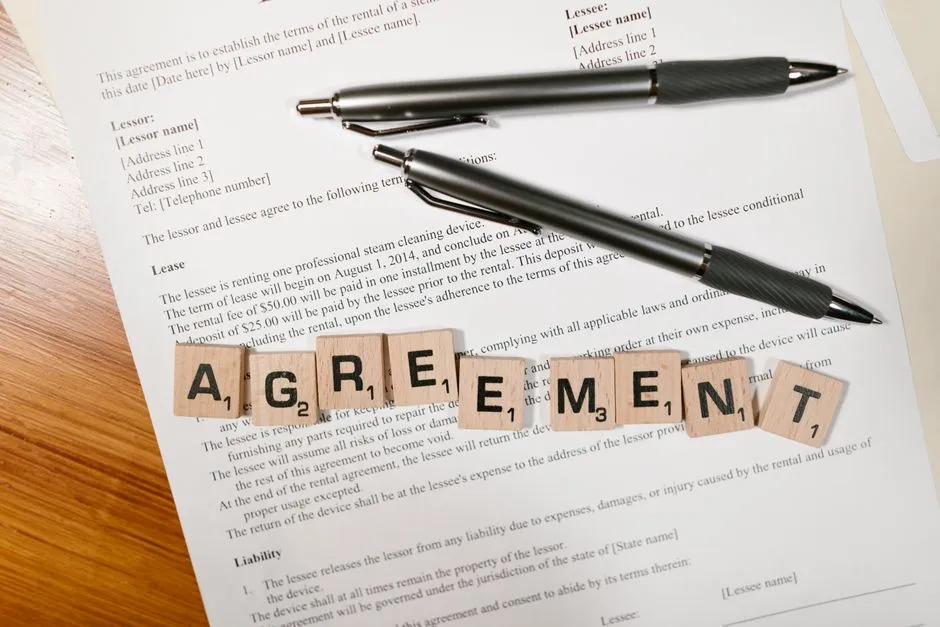
Understanding the Tenancy Renewal Options
When an existing fixed-term tenancy approaches its expiration date, landlords and tenants face a choice. The path chosen impacts your rental yield, your legal notice requirements, and the long-term stability of your real estate investment. There are three primary routes available when handling an expiring contract.
1. Signing a New Fixed-Term Agreement
This option involves drafting and executing a brand-new Assured Shorthold Tenancy (AST) agreement. The new contract defines a specific start and end date, usually for another 6 or 12 months. This route provides maximum security for both parties: the tenant is guaranteed housing security, and the landlord is guaranteed consistent rental income for the duration of the term.
2. Letting the Tenancy Roll into a Periodic Tenancy
If neither party takes action, the tenancy does not simply end. Under the Housing Act 1988, it automatically converts into a periodic tenancy on the day after the fixed term expires. This is commonly referred to as a rolling tenancy, which can run week-to-week or month-to-month depending on how rent is paid.
3. Signing a Tenancy Extension or Rider
Instead of drafting an entirely new 15-page contract, landlords can use a simple legal document called a tenancy extension agreement or renewal rider. This shorter document reference-links the original AST, states that all original terms remain in force, and explicitly details only the changes—specifically the new expiration date and any agreed-upon rent adjustments.
The Tenancy Renewal Process: Step-by-Step
Successfully executing a tenancy renewal requires structure, clear communication, and precise timing. Following a standardized timeline prevents last-minute panics and ensures you retain high-quality tenants.
Step 1: Conduct a Portfolio and Market Audit (Day 90 to 75)
Before contacting your tenant, evaluate the financial performance of your property. Review local market listings to determine if your current rent aligns with current market rates. Calculate your net cash flow, taking into account rising mortgage interest rates, maintenance expenses, and insurance premiums. Tools like the RentFlow calculator can help you model your current yield and understand how different rental adjustments will impact your bottom-line cash flow before you start negotiations.
Step 2: Reach Out to the Tenant (Day 75 to 60)
Send a polite, formal written inquiry to your tenant asking about their plans. Frame the communication neutrally, expressing your appreciation for their tenancy and asking if they would like to secure the property for another fixed term. If you intend to adjust the rent, present this adjustment alongside the renewal offer, backing up your proposal with polite references to local market trends.
Step 3: Negotiate the Terms (Day 60 to 45)
Tenants may accept your proposal immediately, or they may request a compromise. Be prepared to discuss terms such as the length of the new fixed term, minor maintenance updates they might want, or a slight adjustment to your proposed rent increase. Keeping a reliable tenant is often more cost-effective than managing a vacant property, so factor potential void periods into your negotiations.
Step 4: Draft and Execute the Agreement (Day 45 to 30)
Once terms are agreed, draft the new tenancy agreement or extension rider. Send the document to all named tenants for review and signature. Digital signature platforms make this step fast and legally binding. Ensure all parties sign and receive fully executed copies before the old agreement officially expires.

Comparing Tenancy Renewal Methods
To help you choose the best administrative route for your portfolio, the table below compares the primary methods used to handle an expiring fixed-term tenancy.
| Renewal Method | Time Required | Cost Level | Best For | Key Advantage |
|---|---|---|---|---|
| New Fixed-Term AST | Moderate (1-2 hours) | Budget (Free templates available) | Long-term stability | Guaranteed income security for 6-12 months | Extension Rider | Low (30 minutes) | Free | Quick renewals with minor changes | Saves administrative time and paperwork | Statutory Periodic | None (Automatic) | Free | Short-term flexibility | No paperwork; easy to end with short notice |
RentFlow lets you track rent, tenants, leases and expenses without spreadsheets — plus free calculators for rental yield, cash flow and legal rent increases across 18 countries.
Renegotiating Rent and Terms During Renewal
A tenancy renewal is the natural legal window to update the terms of your rental agreement. This is not limited solely to rent increases; it is also your opportunity to address operational issues that arose during the previous term.
Structuring a Fair Rent Review
If you decide to increase the rent, ensure the new figure is fair and realistic. A sudden, drastic increase can alienate excellent tenants, leading to costly void periods, cleaning bills, and letting agent fees. If market data supports a £100 monthly increase, but your tenant has been flawless, offering a compromise of £50 to £75 can secure their renewal while still improving your yield.
Updating Policy Terms in the Agreement
Use the renewal process to refine clauses that may have caused friction or ambiguity in the past. Consider updating clauses related to:
- Pet Policies: If you agreed to let the tenant get a pet mid-term, formally document this permission and any associated tenant obligations in the new agreement.
- Property Maintenance: Clarify specific tenant responsibilities, such as garden upkeep or condensation management.
- Subletting and Guests: Reinforce clauses regarding long-term guests and strict prohibitions against unauthorized subletting or short-term holiday letting.
The Mechanics of Periodic Tenancies
If a fixed term ends and no new agreement is signed, the tenancy transitions automatically. Understanding the legal difference between the two types of periodic tenancies is vital for managing notice periods.
Statutory Periodic Tenancy
This occurs automatically under the law when a fixed-term tenancy created by an AST expires without a renewal contract. The terms of the expired contract carry over, but the tenancy runs period-to-period (usually monthly). To end this tenancy, the tenant must typically provide one month's written notice, while the landlord must provide two months' notice using a formal Section 21 notice (subject to local jurisdiction rules).
Contractual Periodic Tenancy
This occurs when the original fixed-term AST contains a specific clause stating that the tenancy will continue as a contractual periodic tenancy after the fixed term ends. Because this is a continuation of the original contract rather than the creation of a new statutory one, it can simplify certain tax and administrative duties, particularly regarding council tax liability and deposit protection schemes.
Deposit Protection and Compliance Duties
Renewing a tenancy agreement is not just about getting signatures on paper; it also triggers several legal compliance requirements that landlords must satisfy to avoid severe financial penalties.
Checking Deposit Protection Status
When you renew a tenancy with a new fixed term, you must ensure the tenant's security deposit remains properly protected in a government-approved scheme. Depending on the scheme used (custodial or insurance-backed) and whether the terms of the tenancy have changed significantly, you may need to notify the scheme provider of the renewal.
Serving Prescribed Information Again
If the rent amount, deposit amount, or the parties named on the tenancy agreement change during the renewal, you are legally required to serve the updated "Prescribed Information" and the scheme's deposit leaflet to the tenant within 30 days of the renewal. Failure to do so can make any future Section 21 notice invalid and expose you to tenant compensation claims of up to three times the deposit amount.
Providing Updated Compliance Documents
Whenever you sign a new fixed-term tenancy agreement, you must ensure your tenants have the most up-to-date versions of required safety certificates. Ensure you provide:
- A valid Gas Safety Certificate (which must be updated annually).
- An Energy Performance Certificate (EPC) rated E or above.
- An Electrical Installation Condition Report (EICR).
- The current version of the government's "How to Rent" guide (in England).
Common Mistakes to Avoid
Managing tenancy renewals incorrectly can expose landlords to legal disputes and financial losses. Avoid these common pitfalls to keep your rentals running smoothly:
- Leaving negotiations too late: Starting renewal conversations two weeks before the lease ends leaves you with no time to find new tenants if the current ones decide to move out, resulting in immediate void periods.
- Failing to update deposit schemes: Forgetting to re-register or update deposit details with your protection scheme provider after a renewal can result in heavy financial penalties.
- Increasing rent unlawfully: Trying to raise rent mid-term or during a periodic tenancy without using either a signed agreement or the official statutory Section 13 notice process.
- Overlooking guarantor agreements: If the original tenancy required a guarantor, failing to have the guarantor sign a new deed of guarantee for the renewed term can release them from their financial liabilities.
- Ignoring safety certificate updates: Forgetting to hand over updated gas and electrical safety documents alongside the new signed contract, which can complicate future possession claims.
Frequently Asked Questions
Does a tenancy agreement automatically renew?
No, a tenancy agreement does not automatically renew for another fixed term. Instead, if no action is taken by either party, it automatically rolls over into a periodic tenancy under statutory rules, maintaining the same rent and basic terms but moving to a month-to-month basis.
Can a landlord charge a fee for renewing a tenancy agreement?
In England, under the Tenant Fees Act 2019, landlords and letting agents are strictly banned from charging tenants fees for administration, referencing, or renewing a tenancy agreement. Any such fees are illegal. Landlords must cover their own administrative costs associated with drafting renewals.
How much notice must a landlord give for a rent increase at renewal?
If you are proposing a rent increase to take effect at the start of a new fixed-term renewal, you should propose this during your renewal negotiations, ideally 60 to 90 days before the current term ends. If you are using the formal Section 13 notice process on a periodic tenancy, you must provide at least one month's notice.
What happens if one joint tenant wants to leave but the other wants to stay?
If one joint tenant wants to leave, you cannot simply renew the existing agreement. You must treat this as the termination of the old tenancy. You can then draft an entirely new tenancy agreement naming only the remaining tenant (and any new replacement tenant), subject to passing affordability and referencing checks.
Do I need to sign a new contract to change the rent?
You do not always need a new tenancy agreement to change the rent. You can agree on a rent increase via a written rent review agreement signed by both parties, or by serving an official Section 13 notice if the tenancy has transitioned into a periodic rolling structure.
Can a tenant refuse to sign a renewal agreement?
Yes, a tenant is under no legal obligation to sign a new fixed-term renewal. If they refuse, they can either choose to move out at the end of the fixed term or allow the tenancy to roll over into a periodic tenancy, leaving them free to give notice to leave at any point in the future.
Proactively managing your tenancy renewals is key to maintaining a stable, profitable rental portfolio. By understanding your options, communicating early, and keeping your paperwork compliant, you can secure long-term tenants and protect your yields. Before you begin your next round of negotiations, take the time to run your numbers and ensure your properties continue to deliver strong, predictable cash flow.

Landlord & Rental Guides Writer, Tabserve
Selçuk writes RentFlow's landlord and rental-property guides — leases, tenant screening, rent increases and the numbers behind rental yield.
 Get the free RentFlow app