How to Handle Rental Property Repairs Easily
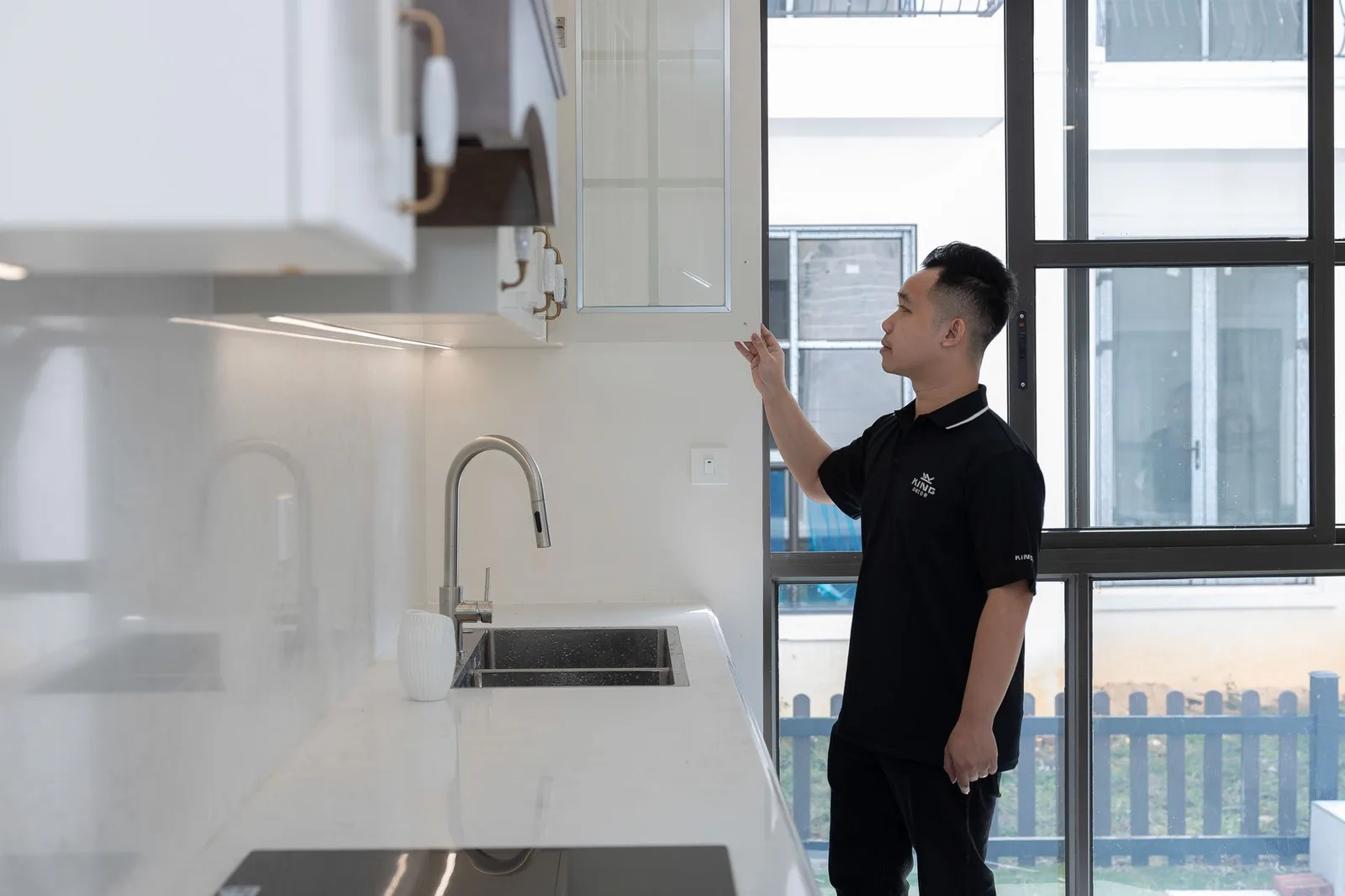
Successfully managing rental property repairs requires a clear distinction between urgent emergency issues and standard routine maintenance. By understanding legal habitability laws, building a reliable network of licensed contractors, and maintaining meticulous digital records, landlords can protect their property value and keep tenants happy. Integrating these workflows with financial tracking tools like RentFlow ensures repair costs never quietly erode your overall cash flow and investment yields.
Owning residential real estate is one of the most reliable paths to long-term wealth, but it comes with a major, non-negotiable operational hurdle: maintenance. Knowing how to handle rental property repairs efficiently is what separates highly profitable landlords from those who find themselves constantly stressed, facing legal disputes, or watching their investment yields vanish into a black hole of unexpected expenses. When a pipe bursts at 2:00 AM or the HVAC system fails in the middle of a heatwave, having a structured, legally compliant, and financially sound system in place is your only shield against chaos.
Contents
- Key Takeaways
- The Legal Framework: Implied Warranty of Habitability
- Categorizing Repairs: Urgent vs. Routine
- Defining Responsibilities: Landlord vs. Tenant
- Building a Reliable Contractor Network
- The Repair Management Process: A Step-by-Step Workflow
- The Power of Digital Record-Keeping
- Financial Management: Budgeting for Repairs and Tracking Yield
- Comparison of Repair Management Approaches
- Preventative Maintenance: Stopping Issues Before They Start
- Common Mistakes to Avoid
- Frequently Asked Questions
Key Takeaways
- Classify all maintenance requests immediately into urgent (habitability-threatening) or routine categories to meet legal timelines.
- Build a vetted network of licensed, insured contractors before emergencies happen rather than searching under pressure.
- Establish clear, written boundaries of responsibility between the landlord and the tenant within the lease agreement.
- Maintain exhaustive digital records of all communication, work orders, invoices, and photos to protect against legal disputes.
- Track repair expenses in real-time against your rental yield using financial tools like RentFlow to preserve net cash flow.
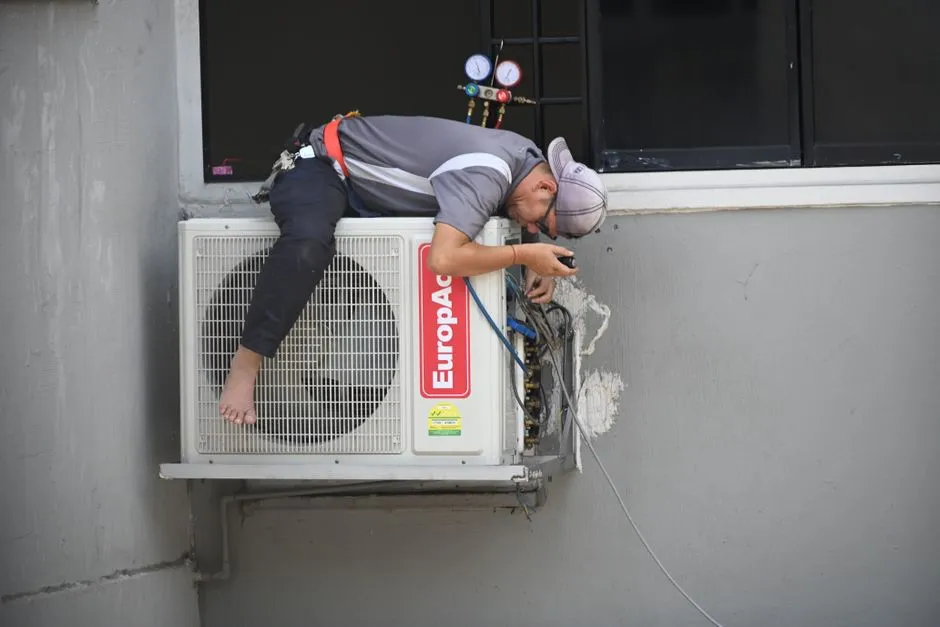
The Legal Framework: Implied Warranty of Habitability
Before diving into the logistics of hammers and nails, you must understand the legal foundation of rental maintenance. In almost every jurisdiction across the United States, residential leases are governed by a doctrine known as the Implied Warranty of Habitability. This legal principle means that by renting out a property, the landlord implicitly promises that the premises are fit for human occupation.
What Makes a Property "Habitable"?
Habitability is not a matter of cosmetic perfection or personal taste. It refers to basic human needs and safety standards. While exact statutory definitions vary by state and municipality, a habitable rental property must generally provide:
- A structurally sound roof, walls, and foundation that keep out wind, rain, and snow.
- Working plumbing facilities, including hot and cold running water, connected to an approved sewage disposal system.
- Adequate heating systems capable of maintaining reasonable temperatures during cold weather.
- Functional electrical systems with safe wiring, outlets, and light fixtures.
- Effective protection against rodents, insects, and other vermin.
- Adequate trash receptacles and garbage disposal systems.
- Working locks on all exterior doors and windows.
- Compliance with local building, safety, and health codes.
Consequences of Non-Compliance
Failing to maintain a habitable environment can have severe financial and legal consequences. Depending on your state's landlord-tenant laws, if a landlord fails to address habitability issues within a reasonable timeframe (often 24 to 104 hours for emergencies), tenants may have the legal right to:
- Withhold Rent: Deposit rent into an escrow account until the repairs are completed.
- Repair and Deduct: Hire a professional to fix the issue themselves and subtract the cost directly from their next rent payment.
- Constructive Eviction: Vacate the property and terminate the lease without penalty, on the grounds that the landlord's neglect made the home unlivable.
- Sue for Damages: Take the landlord to small claims court for physical, emotional, or financial damages resulting from the uninhabitable conditions.
To understand the specific statutes governing your region, consult resources provided by your state's department of housing or refer to the comprehensive legal summaries on the Wikipedia page on Landlord-Tenant Law.
Categorizing Repairs: Urgent vs. Routine
To keep your operations running smoothly and protect your profit margins, you must establish a clear triage system. Not every repair request requires a midnight dispatch of an expensive technician. Learning how to handle rental property repairs starts with categorizing incoming requests into three distinct buckets: Emergency, Urgent, and Routine.
1. Emergency Repairs (Immediate Action Required)
An emergency is any situation that poses an immediate threat to human life, safety, or the structural integrity of the property. These issues must be addressed immediately, regardless of the hour or day of the week.
- Examples: Active flooding from a burst pipe, a complete lack of heat during freezing winter temperatures, gas leaks, electrical sparking, structural collapse, or a fire.
- Target Response Time: Immediate dispatch of a professional; resolution or temporary mitigation within 2 to 24 hours.
2. Urgent Repairs (Prompt Action Required)
Urgent repairs are issues that significantly impact the tenant's daily life or comfort and could escalate into structural damage if ignored, but do not pose an immediate danger to life or safety.
- Examples: A broken refrigerator, a malfunctioning water heater (no hot water), a broken air conditioner during moderate summer heat, a clogged toilet in a one-bathroom home, or a minor roof leak during a rainstorm.
- Target Response Time: Communication within 12 hours; resolution within 24 to 48 hours.
3. Routine Repairs (Scheduled Action Required)
Routine repairs are minor, non-emergency maintenance items that do not affect safety, health, or essential daily living functions. These are typically cosmetic issues or minor inconveniences.
- Examples: A dripping faucet, a sticking interior door, a torn window screen, a broken cabinet hinge, or a cracked outlet cover.
- Target Response Time: Communication within 24 to 48 hours; resolution scheduled within 5 to 10 business days.

Defining Responsibilities: Landlord vs. Tenant
A common source of friction between landlords and tenants is confusion over who is responsible for paying for and executing specific repairs. A well-drafted lease agreement is your primary tool for eliminating this ambiguity. Generally, the division of labor and cost falls into clear categories.
Landlord Responsibilities
As a rule of thumb, the landlord is responsible for maintaining the structural components of the property and all major systems that were supplied with the rental. This includes:
- Foundation, roof, walls, and common areas.
- HVAC systems (furnaces, heat pumps, central air conditioning).
- Major plumbing lines, main sewer lines, and water heaters.
- Electrical wiring, breaker panels, and built-in fixtures.
- Landlord-provided appliances (refrigerator, stove, oven, dishwasher, washer, and dryer).
- Addressal of normal wear and tear (the gradual physical deterioration that occurs naturally over time with normal use).
Tenant Responsibilities
Tenants are expected to maintain the property in a clean, safe, and sanitary condition. Their responsibilities typically include:
- Promptly reporting any maintenance issues or damages to the landlord (failing to report a leak that eventually causes major rot can make the tenant liable for the damage).
- Basic upkeep such as replacing light bulbs, smoke detector batteries, and HVAC air filters (unless specified otherwise in the lease).
- Keeping appliances clean and using them only for their intended purposes.
- Disposing of trash and waste in a sanitary manner.
- Repairing damages caused by their own negligence, abuse, or misuse, as well as damages caused by their guests or pets.
The Concept of "Normal Wear and Tear" vs. "Damage"
Distinguishing between normal wear and tear and tenant-inflicted damage is crucial, especially when deciding whether to deduct repair costs from a security deposit. Wear and tear is the natural degradation of materials over time, such as worn carpet fibers in high-traffic areas, faded paint from sunlight, or minor scuff marks on baseboards. Damage is the result of abuse or neglect, such as a hole punched in drywall, a broken window pane, deep pet stains and odors in carpets, or a cracked kitchen countertop.
Building a Reliable Contractor Network
You should never search for an emergency plumber while water is actively pouring through your tenant's ceiling. Managing rental property repairs successfully requires building a trusted, reliable network of contractors long before you actually need them. Having a go-to professional for every major trade saves you time, money, and stress.
Essential Professionals for Your Roster
At a minimum, your contact list should include vetted, licensed, and insured professionals in the following fields:
- General Handyman: Best for routine, small-scale tasks like fixing doors, patching drywall, changing locks, and hanging fixtures.
- Licensed Plumber: Crucial for clearing major clogs, repairing pipe leaks, and replacing water heaters.
- HVAC Technician: Essential for seasonal system tune-ups, furnace repairs, and air conditioning diagnostics.
- Licensed Electrician: Necessary for any complex wiring issues, panel upgrades, or safety hazards.
- Roofer: For repairing leaks, replacing missing shingles, and assessing structural roof integrity.
How to Vet Contractors
Do not simply hire the cheapest contractor on a local classifieds site. Protect your investment by thoroughly vetting every professional you hire:
- Verify Licenses: Ensure they hold the appropriate state or local licenses required for their trade. You can usually verify this online through your state's licensing board.
- Require Insurance: Never allow a contractor onto your property without proof of general liability insurance and workers' compensation insurance. If an uninsured worker is injured on your property, you could be held liable.
- Check Reviews and References: Look for consistent, positive reviews on independent platforms. Ask the contractor for references from other local property managers or real estate investors.
- Get Written Estimates: For larger jobs, always request a detailed, written estimate outlining the scope of work, materials, labor costs, and estimated timeline.
The Repair Management Process: A Step-by-Step Workflow
To ensure consistency, reduce errors, and maintain high tenant satisfaction, you should follow a standardized step-by-step workflow for every single repair request that comes in.
Step 1: Intake and Documentation
Encourage or require tenants to submit all repair requests in writing through a dedicated channel (such as an email address, a text line, or a tenant portal). Verbal requests are easily forgotten or misconstrued. Ask the tenant to provide a detailed description of the problem and, if possible, clear photos or videos. This visual evidence helps you diagnose the issue accurately and ensures you send the right specialist with the correct tools.
Step 2: Triage and Categorization
Review the incoming request immediately. Determine if it is an Emergency, Urgent, or Routine issue. Assess whether the issue is a landlord responsibility or a tenant responsibility. If it is tenant damage, communicate this clearly and explain how the repair will be handled and billed.
Step 3: Tenant Communication
Acknowledge receipt of the request promptly. Even if you cannot get a contractor out immediately, letting the tenant know that you have received their message and are actively working on a solution drastically reduces their anxiety and prevents them from escalating the issue. Provide a realistic timeline for when they can expect a contractor to contact them or arrive at the property.
Step 4: Dispatching the Contractor
Contact the appropriate specialist from your vetted network. Share the tenant's description, photos, and contact information. Coordinate entry permissions. Ensure you understand your local laws regarding tenant notice; in most jurisdictions, landlords must provide 24 to 48 hours of advance notice before entering a rental property for non-emergency repairs, unless the tenant explicitly waives this right to expedite the work.
Step 5: Execution and Inspection
The contractor performs the work. For major repairs, it is highly recommended that you inspect the completed work yourself or request detailed "after" photos from the contractor before issuing payment. Ensure the workspace was left clean and that the underlying problem was actually resolved, not just temporarily patched.
Step 6: Payment and Record-Keeping
Pay your contractor promptly to maintain a strong working relationship. Save the invoice, receipt, work order, and all communication in your digital filing system. Log the expense under the correct property and category for tax purposes.
RentFlow lets you track rent, tenants, leases and expenses without spreadsheets — plus free calculators for rental yield, cash flow and legal rent increases across 18 countries.
The Power of Digital Record-Keeping
In the world of property management, if it wasn't documented, it never happened. Meticulous record-keeping is your best defense against legal disputes, security deposit disagreements, and IRS audits. It also gives you a clear picture of your property's financial health.
What to Document for Every Repair
For every single repair event, maintain a digital folder containing:
- The original written request from the tenant, including the date and time it was received.
- All subsequent communication (emails, text messages, call logs) regarding the issue.
- Before-and-after photos and videos of the affected area.
- The formal work order sent to the contractor.
- The contractor's detailed, itemized invoice showing the work performed and materials used.
- Proof of payment (receipt, cleared check, or digital transaction record).
Organizing Your Records
Avoid relying on physical paper files or scattered emails. Use a structured cloud storage system (like Google Drive, Dropbox, or specialized property management software) organized logically by property address, then by year, and then by category. This ensures you can retrieve any invoice or communication within seconds if a dispute arises or during tax preparation season.
Financial Management: Budgeting for Repairs and Tracking Yield
Repairs are an inevitable cost of doing business, yet many landlords fail to budget for them properly, resulting in severe cash flow shortages when major systems fail. To run a sustainable rental business, you must treat maintenance as a predictable, recurring operating expense.
How to Budget for Maintenance
There are two widely accepted industry standards for estimating annual rental property maintenance costs:
- The 1% Rule: Set aside 1% of the property's total value each year for maintenance and repairs. For example, if your rental property is worth $300,000, you should budget $3,000 per year ($250 per month) for upkeep.
- The 50% Rule: Expect that roughly 50% of your gross rental income will go toward operating expenses (excluding the mortgage payment), which includes maintenance, property taxes, insurance, and vacancies.
- The Square Footage Rule: Budget $1 per square foot of the property annually. A 2,000-square-foot home would require a $2,000 annual maintenance reserve.
Capital Expenditures (CapEx) vs. Operating Expenses (OpEx)
It is important to understand the financial and tax differences between routine repairs and capital improvements:
- Operating Expenses (OpEx): Routine repairs that keep the property in its normal, efficient operating condition (e.g., fixing a leaky pipe, painting a room, repairing a broken window). These expenses can generally be fully deducted from your rental income in the tax year they occur.
- Capital Expenditures (CapEx): Major improvements that add value to the property, prolong its useful life, or adapt it to new uses (e.g., replacing the entire roof, installing a new HVAC system, remodeling the kitchen). These costs cannot be fully deducted at once; instead, they must be depreciated over their useful life according to IRS schedules. For official guidelines, consult the IRS Publication 527 on Residential Rental Property.
Integrating Repairs with Cash Flow and Yield Calculations
Every dollar you spend on a repair directly impacts your net operating income (NOI), cash-on-cash return, and overall investment yield. If you do not track these expenses in real-time, you cannot accurately assess how your asset is performing.
This is where utilizing a dedicated financial tool becomes invaluable. While you can track repairs manually on a spreadsheet, using an intuitive tool like RentFlow simplifies the process. RentFlow offers free, user-friendly yield and cash-flow calculators designed specifically for landlords. By inputting your repair costs directly into the system, you can instantly see how maintenance expenses affect your monthly cash flow and long-term yield, allowing you to make data-driven decisions about rent adjustments, refinancing, or potential property sales.
Comparison of Repair Management Approaches
Different landlords have different levels of time, expertise, and capital. The table below compares the three primary methods for handling rental property repairs to help you decide which approach fits your investment strategy.
| Approach | Time Needed | Cost Level | Best For | Key Advantage | Key Drawback |
|---|---|---|---|---|---|
| DIY (Do It Yourself) | High | Budget | Local landlords with trade skills and free time | Maximizes short-term cash flow; full control | High risk of mistakes; extremely time-consuming |
| Direct Contractor Management | Medium | Mid-Range | Independent landlords wanting balance of control and freedom | Cost-effective; builds a valuable professional network | Requires active coordination and availability |
| Full Property Management | Low | Premium | Out-of-state, busy, or passive investors | Completely hands-off; professional handling | High fees (8-12% of rent) eat into monthly yields |
Preventative Maintenance: Stopping Issues Before They Start
The most cost-effective way to handle rental property repairs is to prevent them from happening in the first place. A proactive preventative maintenance strategy extends the lifespan of your property's systems, keeps tenants happy by avoiding disruptive breakdowns, and saves you thousands of dollars in emergency service fees.
Seasonal Maintenance Checklist
Implement a recurring seasonal maintenance schedule to inspect and service key areas of your property throughout the year:
Spring and Summer Checklist
- Inspect the roof for winter damage, loose shingles, or flashing issues.
- Clean gutters and downspouts to ensure proper water drainage away from the foundation.
- Service the air conditioning system (clean coils, check refrigerant levels).
- Inspect exterior siding, paint, and caulking for gaps or wood rot.
- Test sprinkler systems and outdoor spigots.
- Inspect the property for signs of pests or termites.
Fall and Winter Checklist
- Service the heating system/furnace to ensure safe and efficient operation before cold weather hits.
- Clean chimney flues and inspect fireplaces if applicable.
- Drain outdoor plumbing lines and insulate exposed pipes to prevent freezing.
- Clean gutters again after the autumn leaves fall.
- Check weather stripping around doors and windows to improve energy efficiency.
- Inspect smoke detectors, carbon monoxide alarms, and fire extinguishers.
Conducting Regular Inspections
Do not wait for a tenant to move out to see what state your property is in. Conduct regular, structured inspections of the premises. A standard schedule includes a move-in inspection, a mid-lease inspection (typically around the 6-month mark), and a move-out inspection. Always provide proper legal notice to your tenant before conducting an inspection, and frame it as a service to ensure everything is working perfectly for their comfort and safety.
Common Mistakes to Avoid
- Ignoring Minor Issues: A small, slow drip under a kitchen sink can quietly rot the subfloor, destroy the cabinetry, and lead to toxic mold growth. Never ignore minor repair requests; fix them before they become expensive structural disasters.
- Hiring Unlicensed or Uninsured Workers: Hiring an unvetted handyman to save a few dollars on electrical or plumbing work often backfires. Substandard work can cause fires or floods, void your landlord insurance policy, and result in fines from local building authorities.
- Failing to Document the Property Condition at Move-In: Without a comprehensive, signed move-in inspection report with detailed photos, it is nearly impossible to prove that a tenant caused damage, making security deposit disputes incredibly difficult to win.
- Poor Communication with Tenants: Leaving tenants in the dark about when a repair will be fixed breeds frustration, damages the landlord-tenant relationship, and increases the likelihood of legal action or negative reviews. Always communicate clearly, honestly, and promptly.
- Not Maintaining an Emergency Reserve Fund: Operating with zero cash reserves is a recipe for financial disaster. A single major HVAC replacement or main sewer line collapse can wipe out months of rental income if you do not have a dedicated emergency fund set aside.
Frequently Asked Questions
How long does a landlord have to make a repair?
The legal timeframe for making repairs depends heavily on your state's laws and the severity of the issue. For emergency repairs that affect habitability (like a lack of heat, water, or electricity), landlords are typically required to act within 24 to 48 hours. For routine, non-essential repairs, landlords generally have a reasonable period, usually defined as 10 to 30 days.
Can a tenant refuse to pay rent if a repair is not made?
In some jurisdictions, tenants have the legal right to withhold rent or pay rent into an escrow account if a landlord fails to make critical repairs that affect habitability. However, tenants cannot legally withhold rent for minor, cosmetic, or routine repair issues. Doing so without following strict local legal protocols can result in eviction for non-payment of rent.
Am I responsible for repairing appliances that the tenant brought?
No. Landlords are only responsible for maintaining and repairing appliances that they provided with the rental property as outlined in the lease agreement. Any appliances brought into the property by the tenant are their sole responsibility to maintain, repair, and eventually remove when they vacate.
What should I do if a tenant refuses to let a contractor inside?
Except in the case of a life-threatening emergency, landlords and contractors must respect tenant privacy and provide proper notice (usually 24 to 48 hours) before entering. If a tenant repeatedly refuses access for scheduled, necessary repairs after proper notice has been given, they may be in violation of their lease agreement. Document every access request and refusal in writing, as this can serve as grounds for lease termination or eviction.
Can I charge a tenant for a repair if they caused the damage?
Yes. If a repair is required due to tenant negligence, misuse, abuse, or an accident caused by the tenant, their guests, or their pets, the tenant is financially responsible for the repair. You can either hire a professional to fix the issue and bill the tenant directly, or deduct the cost from their security deposit when they move out, provided you have clear documentation of the damage.
How do I handle maintenance requests when I am out of town?
If you travel frequently or live far from your rental property, you must have a reliable local contact who can handle emergencies on your behalf. This can be a trusted local handyman, a co-host, a professional property management company, or a dedicated local representative who has authority to dispatch contractors and access emergency funds.
Are repair costs tax-deductible for rental properties?
Yes. Routine maintenance and repair costs that keep your rental property in its normal, efficient operating condition are fully deductible operating expenses in the tax year the expenses were incurred. However, major capital improvements (CapEx) that add value or extend the property's useful life must be capitalized and depreciated over several years.
Mastering how to handle rental property repairs is one of the most critical skills you can develop as a real estate investor. By establishing clear guidelines, categorizing issues systematically, building a reliable contractor network, and utilizing powerful financial tracking tools like RentFlow to monitor your cash flow, you can transform maintenance from a stressful chore into a highly organized, predictable, and profitable business process.

Landlord & Rental Guides Writer, Tabserve
Selçuk writes RentFlow's landlord and rental-property guides — leases, tenant screening, rent increases and the numbers behind rental yield.
 Get the free RentFlow app