How to Reduce Tenant Turnover: The Ultimate Landlord Guide to High-Yield Retention
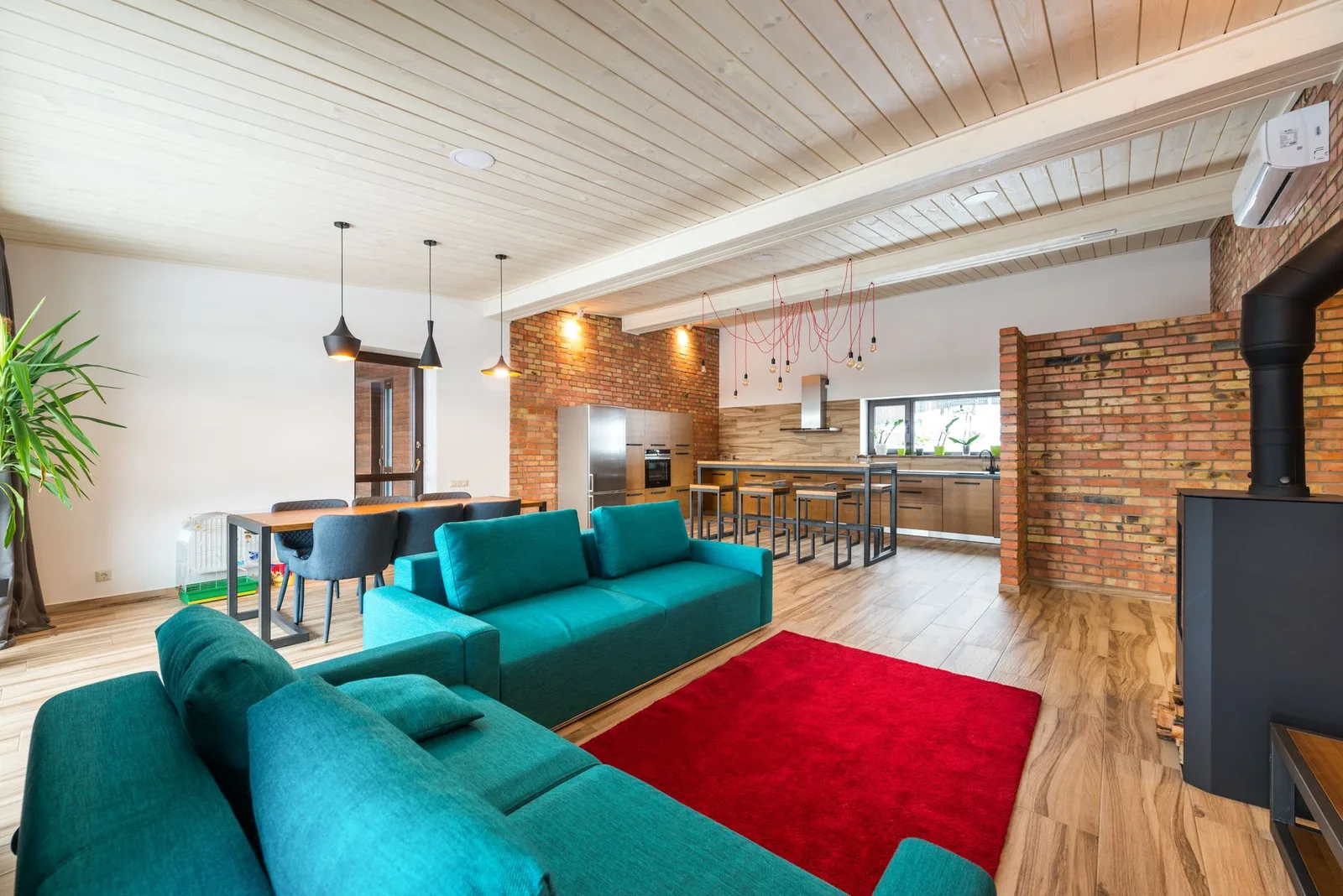
Reducing tenant turnover is the single most effective way to protect your rental property's bottom line and maintain consistent cash flow. By focusing on proactive communication, structured maintenance schedules, and a frictionless lease renewal process, landlords can keep reliable tenants for years. This comprehensive guide outlines actionable, low-cost retention strategies and calculates the true cost of vacancy to help you maximize your long-term yield.
For residential landlords, a vacant property is the ultimate cash-flow killer. When a tenant moves out, you do not just lose a month or two of rent; you incur marketing expenses, cleaning fees, repair bills, and tenant screening costs. Understanding how to reduce tenant turnover is not merely a matter of hospitality—it is a core financial strategy that directly impacts your investment's net operating income (NOI).
Contents
Key Takeaways
- The true cost of a single tenant turnover often ranges from $2,500 to $5,000 when accounting for lost rent, repairs, and marketing.
- Proactive communication and a 90-day renewal pipeline are the most effective ways to secure lease renewals before tenants start looking elsewhere.
- Implementing a preventative maintenance schedule reduces emergency repair requests, which are a leading cause of tenant dissatisfaction.
- Small, thoughtful property upgrades during lease renewals can incentivize high-quality tenants to stay without breaking your budget.

The Real Cost of Tenant Vacancy
Many property owners underestimate the financial damage of a empty rental unit. They focus solely on the physical cost of paint and carpet cleaning, ignoring the invisible drain on their cash flow. To truly appreciate the value of retention, you must calculate the total cost of a transition cycle.
Direct Expenses vs. Indirect Losses
When a tenant submits their notice to vacate, a clock starts ticking. The costs associated with this transition fall into two distinct categories:
- Direct Expenses: Professional cleaning, carpet shampooing, painting, locks rekeying, minor repairs, professional photography, listing syndication fees, and tenant screening reports.
- Indirect Losses: The daily prorated loss of rent during the vacancy period, the time spent hosting open houses, utilities paid by the landlord during the transition, and the administrative burden of onboarding a new occupant.
The Turnaround Cost Formula
To calculate your exact exposure, use this simple formula: Turnover Cost = (Days Vacant × Daily Rent) + Marketing Costs + Repair/Cleaning Costs + Leasing Commissions. For a property renting at $2,000 per month with a 30-day vacancy window, the lost rent alone is $2,000. Add $1,200 in turnover repairs and $500 in marketing or agent fees, and the total cost reaches $3,700—equivalent to nearly two months of gross rental income.
Proactive Communication Strategies
According to rental industry surveys, poor communication from landlords and property managers is a primary reason tenants choose not to renew their leases. Establishing a professional, responsive relationship is the foundation of long-term occupancy.
Setting Expectations During Onboarding
Retention begins on day one. During the lease signing process, walk your new residents through a structured onboarding document. Explain exactly how to submit maintenance requests, how emergency repairs are handled, and when they can expect to hear from you. Providing a clear welcome packet with local utility contacts, trash collection schedules, and neighborhood rules sets a professional tone and minimizes future friction.
The 24-Hour Communication Rule
Never let a non-emergency message sit unanswered for more than 24 hours. Even if you do not have an immediate solution to a tenant's question or complaint, send a brief acknowledgement: "Hi Sarah, I received your message about the sticking balcony door. I am contacting our carpenter today and will follow up with an appointment time by tomorrow morning." This simple step eliminates tenant anxiety and builds trust.
Scheduled Check-ins (Without Being Intrusive)
Do not limit your interactions to rent collection and repair issues. Send a brief check-in email or text message twice a year. Ask if there are minor issues that need attention or if they have any feedback about the property. This proactive approach allows you to catch small maintenance problems before they escalate into costly emergencies, while demonstrating that you value their comfort.

A Structured Maintenance Routine
A property that is allowed to deteriorate will inevitably suffer from high turnover. High-quality tenants have choices; they will not tolerate peeling paint, drafty windows, or slow-moving drains for long when they can find well-maintained alternatives in the same price bracket.
Preventative Maintenance vs. Reactive Maintenance
Waiting for things to break is a recipe for high tenant turnover and inflated repair bills. Implementing a preventative maintenance checklist ensures the property remains safe, efficient, and comfortable.
| Maintenance Task | Frequency | Estimated Cost | Impact on Tenant Retention |
|---|---|---|---|
| HVAC Filter & System Service | Bi-annually | Budget (Under $150) | High (Prevents heating/cooling failures during peak seasons) |
| Gutter Cleaning & Roof Inspection | Annually | Budget (Under $200) | Medium (Prevents water intrusion and structural damage) |
| Appliance Diagnostic & Coil Cleaning | Annually | Free (DIY) to Budget | High (Keeps kitchen functional and lowers utility bills) |
| Water Heater Flush & Valve Check | Annually | Budget (Under $100) | Medium (Ensures consistent hot water pressure) |
Handling Repair Requests Efficiently
When a tenant submits a repair request, their satisfaction is determined by two factors: speed and quality. Establish a network of reliable, licensed contractors who can respond quickly. Always follow up with the tenant after a repair is completed to confirm that the work was done to their satisfaction and that the technician cleaned up the workspace. This shows that you hold your vendors to a high standard.
RentFlow lets you track rent, tenants, leases and expenses without spreadsheets — plus free calculators for rental yield, cash flow and legal rent increases across 18 countries.
The 90-Day Renewal Pipeline
Waiting until 30 days before a lease expires to discuss a renewal is a critical mistake. By that time, many tenants have already browsed online listings, attended open houses, and mentally prepared for a move. To successfully reduce tenant turnover, you must initiate the renewal process early.
The Timeline for Lease Renewal
A structured 90-day pipeline gives both parties ample time to negotiate and plan, minimizing the risk of sudden vacancies.
90 Days Before Expiration: The Soft Outreach
Send a friendly email asking the tenant about their long-term plans. Express your appreciation for their residency and ask if there are any specific updates or repairs they would like to discuss as part of a potential lease extension.
60 Days Before Expiration: The Formal Offer
Present the formal renewal terms in writing. This offer should outline the new lease term (typically 12 or 24 months) and any adjustments to the rent rate based on current market conditions.
45 Days Before Expiration: The Follow-Up
If the tenant has not responded, schedule a quick phone call to discuss the offer. Address any concerns they may have regarding rent increases or lease terms. If they plan to move, this gives you a head start of 45 days to market the property.
Analyzing Market Rates Fairly
When calculating a rent increase, do not simply apply an arbitrary percentage. Look at comparable listings in your immediate neighborhood. If market rents have risen by 8%, consider offering your existing, reliable tenant a renewal rate at a 3% to 4% discount below market value. This "retention discount" is a highly effective incentive: it makes moving financially illogical for the tenant, while saving you the immense cost of a turnover cycle.
Strategic Upgrades That Drive Retention
Sometimes, a small physical improvement to the property is enough to convince a wavering tenant to sign a new lease. These upgrades improve the tenant's daily living experience while increasing the long-term capital value of your real estate asset.
Smart Home Technology
Modern renters value convenience and energy efficiency. Installing a smart thermostat (such as a Nest or Ecobee) or a keyless smart lock costs relatively little but provides high perceived value. Smart thermostats help tenants save on utility bills, while keyless entry eliminates the hassle of lost keys.
Kitchen and Bathroom Refreshes
You do not need to perform a full remodel to make a space feel updated. Consider these targeted, cost-effective improvements:
- Replacing outdated plastic cabinet hardware with modern matte black or brushed brass pulls.
- Installing a high-pressure, water-saving showerhead.
- Replacing an old, yellowed kitchen faucet with a modern pull-down sprayer.
- Adding under-cabinet LED strip lighting in the kitchen.
Incentive-Based Renewals
When presenting your 60-day renewal offer, include a menu of complimentary upgrades the tenant can choose from if they sign a new 12-month lease. Options might include professional carpet cleaning, a fresh coat of paint in a room of their choice, or the installation of a new ceiling fan. This turns a potentially stressful rent increase conversation into an exciting opportunity for property customization.
Understanding Tenant Demographics and Needs
Different tenant demographics prioritize different amenities. Tailoring your property management style to your specific target market can dramatically improve your retention rates.
Catering to Remote Workers
With millions of professionals working from home at least part-time, reliable infrastructure is critical. Ensure your property has access to high-speed fiber internet providers. Consider adding USB-C wall outlets in the living room and bedrooms, and ensure there is adequate lighting in areas that could serve as a home office.
The Pet-Friendly Advantage
According to the American Pet Products Association, a vast majority of U.S. households own a pet. Landlords who ban pets severely restrict their prospective tenant pool and increase turnover, as tenants often move specifically to find a property that accommodates their animals. By adopting a pet-friendly policy with reasonable rules (such as pet references, a refundable pet deposit, or modest pet rent), you tap into a highly loyal demographic that stays significantly longer on average.
Common Mistakes to Avoid
Even experienced real estate investors fall into traps that inadvertently drive good tenants away. Avoiding these common pitfalls will keep your rental income steady and your tenants satisfied.
- Neglecting minor repair requests: Ignoring a dripping faucet or a cracked window pane signals to the tenant that you do not care about the property, encouraging them to look for a landlord who does.
- Implementing aggressive, above-market rent increases: Trying to squeeze every last dollar out of a renewal often backfires, resulting in an expensive vacancy that wipes out any theoretical gains.
- Conducting excessive, intrusive inspections: While periodic safety checks are necessary, entering the property too frequently violates the tenant's right to quiet enjoyment and creates a hostile living environment.
- Failing to enforce community rules consistently: If neighboring tenants are violating noise ordinances or parking rules and you fail to intervene, your quiet, respectful tenants will leave to escape the disruption.
- Treating the relationship as purely transactional: A lack of basic empathy and flexibility during difficult personal times (such as minor rent payment delays with communication) can destroy an otherwise excellent landlord-tenant relationship.
Frequently Asked Questions
How often should I raise the rent to avoid tenant turnover?
To balance cash flow with retention, it is generally best to implement small, predictable rent increases of 2% to 4% annually rather than waiting several years and hitting the tenant with a massive 15% increase. Small, incremental adjustments are easier for tenants to budget for and rarely trigger a move on their own, whereas sudden, large increases almost always send tenants searching for alternative housing options.
Is it always worth keeping a tenant if they ask for a rent reduction?
Not always, but you must run the numbers. Calculate the cost of a 30-day vacancy plus turnover repairs. If a reliable tenant who takes excellent care of the property asks for a $50 per month discount to renew, agreeing to it costs you $600 over the year. If they leave, your turnover costs will likely exceed $3,000. In this scenario, granting the modest discount is the highly profitable choice. However, if the tenant is consistently late with rent or damaging the property, it is better to let them leave.
How do I handle a tenant who wants to break their lease early?
The best approach is to have a clear early termination clause in your lease agreement. A standard clause requires the tenant to provide 60 days' written notice and pay an early termination fee equivalent to two months' rent. This provides you with a predictable transition window and covers your marketing and vacancy costs while allowing the tenant an honorable, legally compliant exit path.
Does offering a multi-year lease help reduce turnover?
Yes, offering a 24-month lease is an excellent way to lock in reliable cash flow and eliminate turnover risk for a longer period. To incentivize a two-year lease, you can offer a slightly lower annual rent increase than you would for a standard 12-month lease. This gives the tenant long-term housing budget stability and gives you peace of mind.
What are the most cost-effective upgrades for keeping tenants happy?
The most cost-effective upgrades are those that improve daily convenience and utility. These include installing modern programmable thermostats, replacing old showerheads with high-quality multi-setting models, adding cordless window blinds, upgrading kitchen cabinet hardware, and installing keyless entry smart locks. These improvements cost very little but significantly elevate the premium feel of the property.
How can I track my rental property cash flow and turnover costs accurately?
To accurately monitor how turnover affects your investment performance, you should use dedicated rental property software rather than basic spreadsheets. Tracking your net operating income, vacancy rates, and maintenance expenses over time allows you to see the real-time impact of your retention efforts. Utilizing modern tools like RentFlow helps landlords keep a close eye on their yields, ensuring that every retention decision is backed by solid financial data.
Ultimately, learning how to reduce tenant turnover is a continuous process of maintaining open communication, respecting your tenants' home, and treating your rental business with professional diligence. By treating your residents as valued clients rather than sources of monthly transactions, you will build a stable, high-yield portfolio that thrives in any market environment.

Landlord & Rental Guides Writer, Tabserve
Selçuk writes RentFlow's landlord and rental-property guides — leases, tenant screening, rent increases and the numbers behind rental yield.
 Get the free RentFlow app