First Time Landlord Tips: Avoid Costly Mistakes

Becoming a housing provider is a lucrative but highly regulated business venture. To protect your investment, you must treat your property as a business from day one by mastering tenant screening, setting up automated accounting, and understanding local landlord-tenant laws. This comprehensive guide covers the essential steps, financial calculators, and legal frameworks needed to transition from an accidental owner to a profitable landlord.
Transitioning from a property owner to a housing provider is an exciting milestone, but it comes with a steep learning curve. Many new owners begin their journey with a mix of optimism and anxiety, only to realize that managing a rental unit requires a completely different skillset than maintaining a personal home. Understanding the legal, financial, and operational realities of property management before your first tenant signs on the dotted line is the key to long-term success and peace of mind.
Contents
- Key Takeaways
- The True Cost of Ownership: Setting Your Rental Price
- Navigating the Legal Landscape of Landlord-Tenant Law
- Developing a Rigorous Tenant Screening Process
- Drafting a Bulletproof Lease Agreement
- Comparing Property Management Options
- Preparing the Property for Move-In Day
- Establishing Professional Communication and Boundaries
- Financial Best Practices for Long-Term Success
- Common Mistakes to Avoid
- Frequently Asked Questions
Key Takeaways
- Screening is non-negotiable: Never skip credit, criminal, and eviction background checks, and always verify income at a minimum of three times the monthly rent.
- Treat it like a business: Separate your personal and rental finances immediately by opening a dedicated business bank account and tracking every expense.
- Know your local laws: Federal, state, and municipal regulations dictate everything from security deposit storage to eviction procedures, and ignorance is not a legal defense.
- Proactive maintenance saves money: Setting aside a dedicated emergency fund and performing seasonal inspections prevents minor issues from becoming catastrophic structural failures.
The True Cost of Ownership: Setting Your Rental Price
Setting the correct monthly rent is a delicate balancing act. Price your unit too high, and it will sit vacant on the market, costing you hundreds of dollars each week. Price it too low, and you leave valuable yield on the table while potentially attracting tenants who do not respect the value of the property. To find the sweet spot, you must perform a comprehensive comparative market analysis (CMA).
Conducting a Comparative Market Analysis
Begin by researching active listings in your immediate neighborhood. Look for properties with similar square footage, bedroom and bathroom counts, and overall condition. Websites like Zillow, Trulia, and local property management portals are excellent starting points. Pay close attention to the age of the listings; if a property has been on the market for more than 30 days, it is likely overpriced for the current economic climate.
Adjust your target rent based on specific amenities. Features like in-unit laundry, dedicated off-street parking, a fenced backyard, or proximity to public transit lines can command a premium of 5% to 15% over baseline neighborhood averages. Conversely, if your property lacks these conveniences, you must price it slightly below the local average to remain competitive.
Calculating Your Real Yield
Many first-time landlords make the mistake of assuming that if the rent covers the mortgage payment, the property is cash-flow positive. This is a dangerous misconception. To understand the true financial health of your investment, you must calculate both your gross yield and your net cash flow. This is where tools like rate of return calculations and specialized rental calculators become indispensable.
Your gross yield is calculated by dividing your annual rental income by the total purchase price of the property. However, your net cash flow is what actually keeps your business afloat. To calculate this accurately, you must subtract all operating expenses from your gross monthly income, including:
- Principal and interest mortgage payments
- Property taxes and homeowner's insurance
- Homeowners Association (HOA) dues and local municipal fees
- A vacancy allowance (typically 5% to 8% of gross rent)
- A maintenance and capital expenditure reserve (typically 10% to 15% of gross rent)
Using a dedicated tool like RentFlow can help you visualize these metrics instantly, ensuring you do not overlook hidden expenses that eat into your monthly profits.
Navigating the Legal Landscape of Landlord-Tenant Law
Before you list your property or show it to a single applicant, you must familiarize yourself with the legal frameworks governing residential tenancies. Compliance is not optional, and mistakes can result in severe financial penalties or lengthy court battles.
The Fair Housing Act (FHA)
At the federal level, the Fair Housing Act prohibits discrimination based on race, color, national origin, religion, sex (including gender identity and sexual orientation), familial status, and disability. This means your marketing materials, screening criteria, and daily interactions must be completely uniform and unbiased.
For example, you cannot state in an advertisement that a property is "perfect for a young couple" as this could be interpreted as discrimination against families with children. Similarly, you must allow reasonable accommodations for individuals with disabilities, such as permitting certified service or emotional support animals even if you maintain a strict "no pets" policy.
State and Local Regulations
While federal laws provide a baseline, landlord-tenant laws vary drastically by state and municipality. Some jurisdictions are highly landlord-friendly, allowing for swift eviction processes and minimal rent control. Others are deeply tenant-friendly, featuring strict rent stabilization measures, mandatory lease renewal laws, and complex eviction requirements.
Security Deposit Regulations
One of the most common legal pitfalls for new landlords involves the handling of security deposits. Many states require landlords to hold security deposits in a separate, interest-bearing escrow account in a bank operating within that state. You may also be legally obligated to notify the tenant in writing of the bank's name, address, and the interest rate within a specific timeframe (often 30 days) of receiving the funds.
Habitability and Right to Access
As a housing provider, you are legally bound by the implied warranty of habitability. This means you must maintain the property in a safe, livable condition with working heat, plumbing, electricity, and structural integrity. Additionally, you cannot enter the property whenever you please. Most jurisdictions require you to provide 24 to 48 hours of written notice before entering for non-emergency inspections or repairs.

Developing a Rigorous Tenant Screening Process
The single most effective way to protect your investment is to establish a rigorous, objective, and legally compliant tenant screening process. A bad tenant can cost you thousands of dollars in unpaid rent, property damage, and legal fees, whereas a great tenant preserves your property and provides steady, predictable income.
Setting Consistent Criteria
To avoid accusations of discrimination, write down your tenant screening criteria before you begin accepting applications. Share these criteria with every applicant so they understand the requirements upfront. A standard baseline of criteria should include:
- Income Verification: Gross monthly income must be at least 3 times the monthly rent. Verify this using consecutive pay stubs, W-2 forms, tax returns, or official employer verification letters.
- Credit Score: Set a minimum credit score (e.g., 620 or 650) that aligns with your market. Look beyond the score itself to check for histories of bankruptcies, collections, or utility write-offs.
- Rental History: Contact the applicant's two previous landlords (not their current landlord, who may have an incentive to give a glowing review just to get rid of them). Ask about payment history, property care, lease violations, and whether they would rent to them again.
- Criminal and Eviction History: Run a nationwide search for past evictions and serious criminal convictions. Ensure your policy on criminal history complies with local laws and HUD guidelines regarding individualized assessments.
How to Spot Red Flags in an Application
During the screening process, keep an eye out for common warning signs that suggest an applicant might not be a reliable tenant. Be cautious of individuals who pressure you to bypass the screening process in exchange for a cash payment, those who cannot provide verifiable landlord references, or applicants who have frequent gaps in employment without a reasonable explanation.
Drafting a Bulletproof Lease Agreement
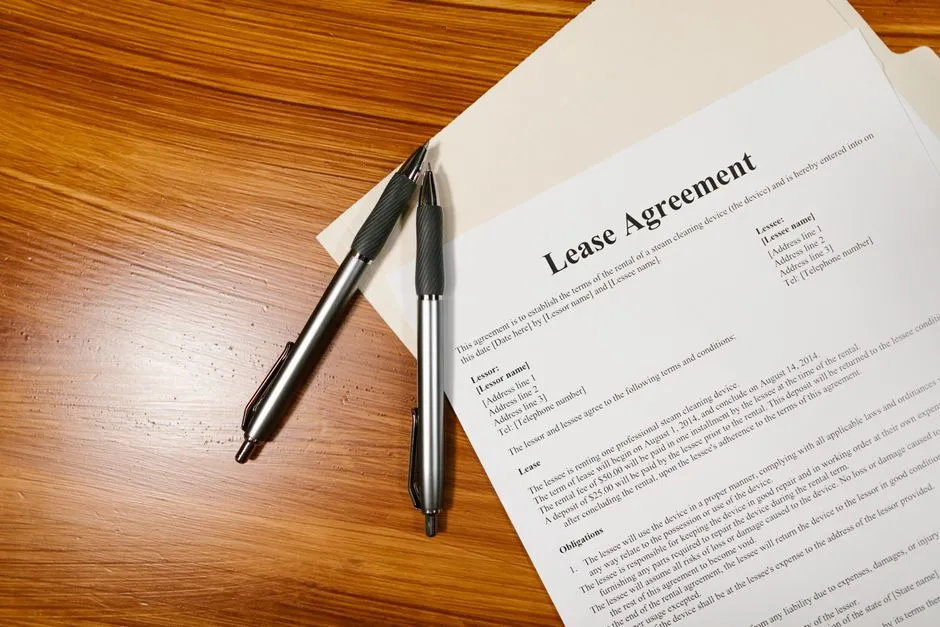
Your lease agreement is the legal contract that governs your relationship with your tenant. Never use a generic, free lease template downloaded from a random internet search. These templates are rarely tailored to your specific state laws and often omit critical clauses that protect your property.
Essential Clauses for Every Rental Agreement
A comprehensive lease should clearly define the rights and responsibilities of both parties. Ensure your contract includes detailed sections covering the following elements:
Names of All Adult Occupants
Every person over the age of 18 who will reside in the property must be named on the lease and sign it as a co-tenant. This ensures that every adult is jointly and severally liable for the rent and any damages, giving you legal recourse against all occupants if a lease violation occurs.
Payment Policies and Late Fees
Clearly state the exact day rent is due (typically the first of the month), how it must be paid, and when it is officially considered late. Outline any late fees, ensuring they comply with local statutory limits. Specify your preferred payment methods, prioritizing secure electronic options over physical checks or cash.
Maintenance and Repair Policies
Define what constitutes a maintenance emergency versus a standard repair request. Explicitly state that tenants are responsible for minor maintenance tasks, such as replacing lightbulbs, changing HVAC air filters every three months, and keeping the property clean and free of trash. Instruct them on how to report maintenance issues promptly to prevent minor leaks from causing major water damage.
Rules and Restrictions
Include clear clauses regarding pets, smoking, subleasing, and guests. If you allow pets, specify the maximum number, allowed weight/breeds, and any associated pet rent or non-refundable fees. Maintain a strict non-smoking policy inside the unit to prevent odor buildup and fire hazards. Limit the stay of overnight guests to prevent unauthorized long-term occupants.
RentFlow lets you track rent, tenants, leases and expenses without spreadsheets — plus free calculators for rental yield, cash flow and legal rent increases across 18 countries.
Comparing Property Management Options
As a new landlord, you must decide whether you want to manage the property yourself or hire a professional property management company. This decision depends on your available time, proximity to the property, and your comfort level with handling tenant disputes and maintenance emergencies.
| Management Method | Time Commitment | Cost Level | Best For |
|---|---|---|---|
| Self-Management (DIY) | High (5-10 hours/month) | Budget (Free / low-cost software) | Local landlords, hands-on owners, those maximizing cash flow |
| Hybrid Management | Medium (2-4 hours/month) | Mid-range (SaaS tools & local contractors) | Tech-savvy owners wanting control without manual administrative work |
| Full-Service Management | Low (1 hour/month) | Premium (8% to 12% of gross monthly rent) | Out-of-state investors, busy professionals, passive income seekers |
The Hybrid Approach: Leveraging Modern Software
Many modern landlords choose a hybrid approach. By utilizing property management platforms and financial tracking software like RentFlow, you can automate rent collection, track income and expenses, and monitor your portfolio's performance without paying high monthly fees to a traditional property manager. This allows you to maintain control over your asset while significantly reducing the administrative burden.
Preparing the Property for Move-In Day
Before your first tenant moves in, you must ensure the property is clean, safe, and fully compliant with local building codes. A well-prepared property sets a high standard of care, encouraging tenants to keep the home in excellent condition.
The Ultimate Move-In Checklist
Follow this checklist to prepare your rental property for its first occupancy:
- Professional Deep Cleaning: Hire a professional cleaning service to clean the unit from top to bottom, including carpets, windows, appliances, and inside cabinets.
- Safety Inspections: Install fresh batteries in all smoke and carbon monoxide detectors. Ensure fire extinguishers are fully charged and accessible.
- Lock Rekeying: Always rekey the locks or install smart locks between tenants. This protects your new tenant's security and shields you from liability.
- Utility Verification: Ensure all utilities are functioning correctly and coordinate the transfer of accounts (water, gas, electricity, trash) to the tenant's name as of the lease start date.
Documenting Property Condition
Before handing over the keys, conduct a thorough walk-through inspection with the tenant. Use a detailed move-in/move-out checklist to document the exact condition of every room, appliance, and fixture. Take high-resolution photos and videos of the entire property, focusing on pre-existing wear and tear. Both you and the tenant should sign and date the checklist, which will serve as vital evidence when determining security deposit deductions at the end of the tenancy.
Establishing Professional Communication and Boundaries
One of the hardest lessons for first-time landlords is learning to maintain professional boundaries. While it is natural to want to be friendly with your tenants, treating the relationship as a friendship can lead to awkward situations when you need to enforce lease terms, collect late rent, or address property damage.
Setting Communication Protocols
Establish clear guidelines for how and when your tenants should contact you. Instruct them to use written communication (such as email or a dedicated tenant portal) for all non-emergency requests. This creates a clear paper trail that can protect you in the event of a dispute. Define what constitutes an actual emergency—such as active flooding, fire, or a total loss of heat during freezing temperatures—and provide a dedicated phone number for these situations.
Enforcing the Lease Consistently
If a tenant pays rent late or violates a lease clause, address the issue immediately. Allowing a late payment to slide without a fee or ignoring an unauthorized pet sets a precedent that the terms of your lease are flexible. Be polite, objective, and consistent. Use templated, professional notices to address violations, and apply the same rules to all tenants without exception.
Financial Best Practices for Long-Term Success
To run a successful rental business, you must manage your finances with precision. Poor bookkeeping is one of the primary reasons new landlords fail or end up facing audits from tax authorities.
Separate Your Finances Immediately
Never mix personal and business funds. Open a dedicated checking and savings account for your rental property business. All rental income should be deposited into this business account, and all mortgage payments, repairs, insurance premiums, and property taxes should be paid directly from it. This separation simplifies your bookkeeping and makes filing your taxes significantly easier.
Understanding Rental Property Tax Deductions
One of the greatest benefits of owning rental property is the tax write-offs. Keep detailed receipts and records of every expense, as many costs associated with managing your rental are tax-deductible. These include:
- Mortgage interest and property taxes
- Repairs and maintenance costs
- Property management fees and software subscriptions
- Travel expenses related to property visits
- Professional fees (lawyers, accountants)
- Depreciation of the physical building and capital improvements
Consult with a certified public accountant (CPA) who specializes in real estate to ensure you are maximizing your deductions while remaining fully compliant with IRS guidelines.
Common Mistakes to Avoid
Even with the best intentions, new landlords frequently make preventable errors that impact their profitability and peace of mind. Familiarize yourself with these common pitfalls and implement the recommended strategies to avoid them:
- Mistake: Underestimating maintenance costs. Many new landlords assume that nothing will break in a newly renovated home. The Fix: Always set aside a capital expenditure reserve of at least 10% of the monthly rent to cover unexpected systems failures, such as water heaters, HVAC units, or roof leaks.
- Mistake: Accepting cash for rent or security deposits. Cash payments are difficult to track, lack an automatic paper trail, and can lead to disputes over whether payment was made. The Fix: Require all payments to be made via bank transfer, electronic portal, or direct deposit, ensuring every transaction is automatically logged.
- Mistake: Skipping the final walk-through inspection. Failing to document the property's condition on move-in day makes it nearly impossible to legally withhold funds from the security deposit for tenant damages. The Fix: Conduct a joint walk-through with the tenant, complete a signed checklist, and take comprehensive photos of every room before handing over the keys.
- Mistake: Delaying the eviction process for non-payment. Believing a tenant's promises to pay "next week" month after month can leave you facing thousands of dollars in unpaid rent. The Fix: Issue a formal pay-or-quit notice the day after the grace period ends, following your state's legal timeline strictly while remaining polite and professional.
- Mistake: Overlooking local short-term rental or licensing laws. Many cities require landlords to obtain a rental license, pass safety inspections, or register their properties before leasing them out. The Fix: Contact your local city hall or county clerk's office to identify and obtain all necessary permits and licenses before listing your property.
Frequently Asked Questions
What are the most important first time landlord tips for screening tenants?
The most critical screening steps are establishing clear, written criteria before accepting applications, verifying that the applicant's gross monthly income is at least three times the rent, checking credit scores for financial responsibility, and directly contacting previous landlords to verify payment history and property care. Never rely solely on gut feeling; always rely on verified data and background checks.
How much money should a first-time landlord save for maintenance reserves?
It is highly recommended to set aside 10% to 15% of your gross monthly rental income into a dedicated maintenance and capital expenditure reserve account. Alternatively, you can use the "1% rule," which suggests saving 1% of the property's total value annually to cover major repairs like roof replacements, plumbing upgrades, and heating systems.
Can a landlord enter a rental property whenever they want?
No, landlords do not have the right to enter a leased property without prior notice, except in the case of an active emergency (such as a fire or major water leak). Most state and local laws require landlords to provide a written 24-hour or 48-hour notice of entry before conducting routine inspections, showing the property to prospective buyers, or completing non-emergency repairs.
What is the difference between normal wear and tear and property damage?
Normal wear and tear refers to the natural, gradual deterioration of a property that occurs from daily living, such as minor scuffs on walls, worn carpet in high-traffic areas, or faded paint. Property damage refers to destruction caused by abuse, neglect, or accidents, such as large holes in drywall, broken windows, pet stains, or cracked tiles. Landlords cannot deduct the cost of repairing normal wear and tear from a tenant's security deposit, but they can deduct the cost of repairing actual damage.
Do I need special insurance if I rent out my property?
Yes, you must convert your standard homeowner's insurance policy to a landlord insurance policy (also known as a dwelling fire policy). Landlord insurance typically covers the physical structure of the home, liability protection in case a tenant or guest is injured on the property, and loss of rental income if the home becomes uninhabitable due to a covered peril like a fire. It does not cover the tenant's personal belongings, which is why you should require tenants to purchase renters insurance.
How do I handle a tenant who pays rent late?
Address late rent immediately by issuing a professional, written notice of late payment or a formal "pay or quit" notice, depending on your local laws. Do this the day after your lease's grace period expires. Consistently enforce any late fees outlined in your lease agreement. Avoid emotional arguments; simply treat the situation as a standard business transaction and follow the legal process required by your jurisdiction.
Is it better to offer a month-to-month agreement or a one-year lease?
A one-year lease offers stability, predictable cash flow, and reduced turnover costs, making it ideal for most traditional long-term rentals. A month-to-month agreement offers maximum flexibility, allowing you to adjust rent prices or end the tenancy with short notice (typically 30 days). Choose a month-to-month lease if you plan to sell the property soon, renovate it, or if you want to test out a new tenant before committing to a longer term.
Becoming a successful landlord is a journey of continuous learning, careful financial planning, and consistent relationship management. By treating your rental property as a serious business, setting clear boundaries, and utilizing modern digital tools to track your metrics and cash flow, you can protect your valuable asset, maximize your yield, and build a highly profitable real estate portfolio for years to come.

Landlord & Rental Guides Writer, Tabserve
Selçuk writes RentFlow's landlord and rental-property guides — leases, tenant screening, rent increases and the numbers behind rental yield.
 Get the free RentFlow app