The Ultimate Seasonal and Preventive Rental Property Maintenance Checklist
Consistently executing a rental property maintenance checklist is the single most effective way for landlords to protect their asset value and maintain healthy yields. By organizing tasks into seasonal, annual, and turn-over schedules, you prevent minor issues from turning into multi-thousand-dollar emergency repairs. Incorporating proactive tenant communication and tracking maintenance costs alongside your regular cash-flow analysis ensures your portfolio remains highly profitable.
Own a rental property long enough, and you will eventually face a maintenance emergency. Whether it is a burst pipe in the freezing winter, an air conditioning failure during a summer heatwave, or a slow leak under the kitchen sink that rots the cabinetry, deferred maintenance is the silent killer of real estate yields. When systems fail unexpectedly, emergency repair rates can eat up months of rental income in a single afternoon.
To avoid these cash-flow shocks, professional property managers rely on a structured, proactive approach. By implementing a comprehensive rental property maintenance checklist, you shift your operations from reactive fire-fighting to predictable, scheduled care. This not only preserves the physical value of your building but also keeps your tenants satisfied, reducing vacancy rates and turnover costs.
Contents
- Key Takeaways
- The Financial Impact of Deferred Maintenance
- The Core Maintenance Categories: How to Organize Your Tasks
- Annual and Bi-Annual Safety Inspections
- The Tenant Turnover Maintenance Protocol
- Leveraging Technology to Manage Cash Flow and Maintenance Costs
- Common Mistakes to Avoid
- Frequently Asked Questions
Key Takeaways
- Preventive maintenance saves an average of $3 to $4 for every $1 spent on early repairs.
- Dividing your checklist by season ensures weather-sensitive systems are serviced at the optimal times.
- Documenting inspections with photos protects landlords during security deposit disputes.
- Encouraging tenants to report minor leaks early protects your subfloors and structural framing.
- Tracking your maintenance expenses directly impacts your net operating income (NOI) and overall yield calculations.

The Financial Impact of Deferred Maintenance
Many landlords view maintenance as a pure expense, attempting to delay service calls to inflate their short-term cash flow. This is a dangerous financial strategy. According to housing industry standards, every dollar deferred in preventive maintenance eventually results in four dollars of reactive repair costs. For example, failing to clean gutters annually can lead to water backup, which rots the fascia boards, damages the siding, and eventually floods the basement.
Additionally, well-maintained properties command higher rents and attract more qualified, long-term tenants. When tenants see that a landlord is highly responsive and keeps the property in top-tier condition, they are more likely to treat the home with respect, report issues early, and accept reasonable rent increases. Conversely, a neglected property often leads to tenant neglect, creating a downward spiral that erodes your asset's market value.
The Core Maintenance Categories: How to Organize Your Tasks
To keep your property in peak condition without becoming overwhelmed, it helps to categorize your tasks by frequency and season. Rather than trying to do everything at once, break your workflow down into manageable segments. Below is a comparison of how different maintenance tasks rank in terms of time investment, cost levels, and overall impact on your property's longevity.
| Task Name | Time Needed | Cost Level | Best For |
|---|---|---|---|
| HVAC Filter Replacement | 15-30 minutes | Budget | Air quality and system longevity |
| Gutter & Downspout Cleaning | 1-2 hours | Budget to Mid | Preventing structural water damage |
| Water Heater Flushing | 1 hour | Mid | Extending appliance lifespan |
| Roof & Chimney Inspection | 1-2 hours | Mid to Premium | Preventing ceiling leaks and water intrusion |
| Foundation & Grading Review | 1 hour | Budget | Ensuring dry crawlspaces and basements |
1. Spring Rental Property Maintenance Checklist
Spring is the season of renewal and the perfect time to assess any damage caused by winter freezes. Focus heavily on the exterior of the property as the ground thaws and spring rains begin.
Exterior Envelope and Landscaping Inspections
Walk the perimeter of the property and inspect the siding, brickwork, and foundation cracks. Look for any signs of settling or masonry damage that occurred during freeze-thaw cycles. Ensure that the soil grading around the foundation slopes away from the building at a rate of at least six inches over the first ten feet to prevent water from pooling against the basement walls.
Air Conditioning Pre-Season Service
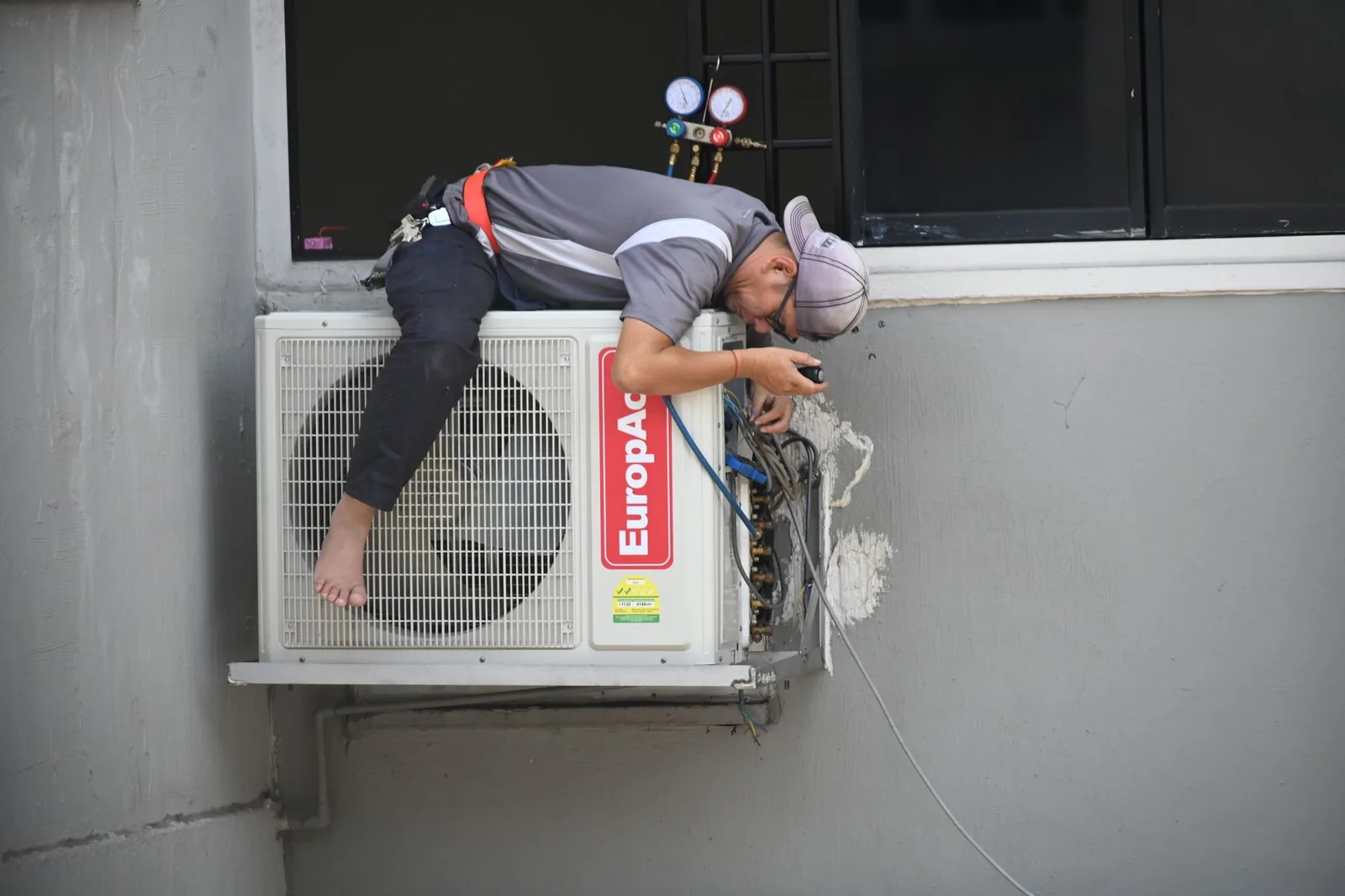
Do not wait until the first 90-degree day to find out if the air conditioning unit works. Clean the condenser coils of outdoor units, clear away any overgrown weeds or debris within two feet of the unit, and verify that the condensate drain line is clear of algae and debris. Consider hiring a licensed HVAC technician to check refrigerant levels and electrical connections.
2. Summer Rental Property Maintenance Checklist
Summer is generally the dry season, making it the ideal window for exterior painting, deck staining, and major roof repairs. It is also the peak moving season, meaning you should prepare for potential tenant turnovers.
Pest Control and Exterior Wood Treatment
Inspect all wooden decks, fences, and trim for signs of rot or wood-boring insects like termites and carpenter ants. Apply protective sealants to wooden surfaces every two to three years to prevent UV and moisture damage. Ensure that branches from nearby trees are trimmed back at least three feet from the roofline to deny pests easy access to your attic.
Irrigation and Sprinkler Systems
If your rental property features an automated irrigation system, inspect it for broken sprinkler heads, misaligned nozzles that spray water directly onto the home's siding, or hidden underground leaks. Adjust watering schedules to comply with local municipal water conservation guidelines while keeping the lawn healthy.
3. Autumn Rental Property Maintenance Checklist
Fall is your final opportunity to prepare the property for harsh winter weather. The focus during this season is keeping cold air out and warm air in, while protecting plumbing systems from freezing temperatures.
Gutter Cleaning and Roof Preparation
Once the autumn leaves have fully fallen, clean all gutters and downspouts. Ensure that water flows freely and exits at least six feet away from the foundation. Check the roof for missing, damaged, or curling shingles, and inspect the flashing around chimneys, skylights, and vents, as these are the most common sources of winter leaks.
Furnace and Heating System Tune-Ups
Schedule a professional heating system inspection before the first cold snap. A qualified technician should clean the burners, inspect the heat exchanger for dangerous cracks that could leak carbon monoxide, and verify that the thermostat operates correctly. Replace all furnace filters and leave a supply of spare filters for the tenant to replace throughout the winter months.
4. Winter Rental Property Maintenance Checklist
Winter maintenance is primarily focused on safety, freeze prevention, and interior system monitoring. It requires active coordination with your tenants to ensure they understand their role in protecting the home.
Protecting Pipes from Freezing
Disconnect all outdoor garden hoses and shut off the water valves leading to exterior spigots, draining any remaining water from the lines. Insulate exposed pipes in unheated crawlspaces, basements, or attics. During periods of extreme sub-zero temperatures, instruct your tenants to keep cabinet doors open under sinks to allow warm air to circulate, and to leave faucets on a slow, warm drip.
Snow and Ice Removal Management
Clearly outline in your lease agreement whether the landlord or the tenant is responsible for clearing snow and salting walkways. If it is your responsibility, ensure you have a reliable snow removal service contract in place. If it is the tenant's responsibility, provide them with a durable shovel and pet-safe ice melt at the start of the winter season to minimize slip-and-fall liabilities.
Annual and Bi-Annual Safety Inspections
Regardless of the season, there are critical life-safety checks that must be performed at least once or twice a year. Neglecting these tasks can lead to severe legal liabilities and void your landlord insurance policies.
Smoke and Carbon Monoxide Detector Testing
Test every smoke and carbon monoxide detector in the property twice a year, ideally during the spring and autumn time changes. Replace the backup batteries annually, even if the units are hardwired. According to the National Fire Protection Association, smoke alarms should be entirely replaced every ten years, and carbon monoxide detectors every five to seven years depending on the manufacturer's guidelines.
Fire Extinguisher and Dryer Vent Maintenance
Equip every rental unit with at least one fire extinguisher located in or near the kitchen. Check the pressure gauge monthly or during seasonal inspections to ensure it remains in the green zone. Additionally, clean the dryer exhaust duct annually. Lint buildup in dryer vents is one of the leading causes of residential house fires and significantly reduces appliance efficiency, driving up your tenant's utility bills.
RentFlow lets you track rent, tenants, leases and expenses without spreadsheets — plus free calculators for rental yield, cash flow and legal rent increases across 18 countries.
The Tenant Turnover Maintenance Protocol
The period between a tenant moving out and a new one moving in is your best opportunity to perform deep maintenance tasks that are difficult to complete while the home is occupied. Treat this transition period as a critical phase in your rental property maintenance checklist.
Deep Wall Repairs and Painting
Patch all drywall holes, scuffs, and cracks. Apply a fresh coat of durable, semi-gloss or eggshell paint in neutral tones. Using high-quality paint makes it much easier to wipe away future scuffs, reducing the frequency of full paint jobs between subsequent tenancies.
Plumbing System Overhauls
While the property is vacant, run every faucet, flush every toilet, and inspect the drain lines under all sinks for slow leaks or mineral buildup. Check the water heater's pressure relief valve and flush the sediment from the bottom of the tank to extend its operational life. If the property uses a septic system, verify the date of the last pumping service and schedule a pump-out if it has been more than three to five years.
Leveraging Technology to Manage Cash Flow and Maintenance Costs
Executing a physical maintenance checklist is only half the battle; tracking the associated costs is equally critical for long-term financial success. Savvy landlords treat maintenance as an active variable in their overall yield calculations. Every dollar spent on a roof repair or HVAC service directly reduces your net cash flow for that month, but it also preserves the long-term value of your asset and can often be depreciated over time on your tax returns.
Using a dedicated rental manager like Tabserve, alongside the RentFlow free yield and cash-flow calculators, allows you to model these maintenance costs accurately. By inputting realistic maintenance reserves (typically 1% to 2% of the property's value annually) into your cash-flow projections, you ensure that your portfolio remains highly profitable even when major capital expenditures arise. Tracking these metrics systematically prevents you from being caught off guard by unexpected repairs.
Common Mistakes to Avoid
- Ignoring small leaks: A tiny drip under the sink or a minor ceiling stain is often the precursor to catastrophic mold growth and dry rot. Address plumbing issues immediately.
- Failing to document inspections: Always take comprehensive photos and videos during your seasonal walkthroughs. This documentation provides vital evidence if you ever need to deduct repair costs from a security deposit.
- Overlooking tenant communication: Tenants are your eyes and ears on the ground. If you do not make it easy for them to report maintenance issues, or if you penalize them for doing so, they will stay silent about growing problems.
- Hiring unlicensed contractors: To save a few dollars, some landlords hire uncertified handymen for complex electrical or structural work. This can lead to code violations, failed inspections, and denied insurance claims.
- Neglecting the landscaping: Overgrown trees can damage roofs, while invasive root systems can crack sewer lines and foundations. Keep vegetation well-managed.
Frequently Asked Questions
How much should a landlord budget annually for rental property maintenance?
A standard rule of thumb is the 1% rule, which suggests setting aside 1% of the property's total value each year for maintenance. Alternatively, many landlords use the square-foot rule, budgeting $1 per square foot annually. For older homes, it is wise to increase this reserve to 2% or 3% to account for aging mechanical systems and structural wear.
Can a landlord enter a rental property at any time for maintenance?
No. Landlords must respect the tenant's right to quiet enjoyment. Except in absolute emergencies (such as a major active flood or fire), you must provide advance notice before entering the property. The required notice period varies by jurisdiction, but it is typically between 24 and 48 hours. Always check your state and local landlord-tenant laws to ensure compliance.
Is the tenant or the landlord responsible for replacing lightbulbs and smoke detector batteries?
Typically, routine daily maintenance like replacing standard lightbulbs is the tenant's responsibility. However, safety items like smoke detector batteries are often the landlord's responsibility to ensure the building remains code-compliant. Clearly define these responsibilities in your lease agreement to avoid confusion.
How often should HVAC filters be replaced in a rental property?
HVAC filters should be replaced every 30 to 90 days depending on the type of filter, whether the tenants have pets, and the overall air quality of the region. Many landlords choose to supply these filters to their tenants quarterly, or perform the replacement themselves during scheduled seasonal inspections to ensure it actually gets done.
What is the difference between ordinary wear and tear and property damage?
Ordinary wear and tear refers to the natural decline in the condition of a property due to normal everyday use, such as worn carpet in high-traffic areas or faded paint. Property damage is the result of abuse, neglect, or accidents by the tenant, such as smashed drywall, broken windows, or deep pet stains. Landlords cannot deduct wear and tear from a security deposit, but they can deduct for actual damage.
Should I hire a property management company to handle my maintenance checklist?
If you live far from your rental property, own multiple units, or simply do not want to manage contractor relationships, hiring a property manager can be a smart move. They typically charge 8% to 12% of the monthly rent but have established relationships with reliable, cost-effective vendors. If you prefer a hands-on approach to maximize your yields, using tools like RentFlow can help you manage the finances yourself.
By implementing a structured rental property maintenance checklist and tracking your expenses diligently, you protect your physical real estate asset while maximizing your long-term investment yields. A proactive approach to property care keeps your tenants happy, your vacancy rates low, and your cash flow highly predictable year after year.

Landlord & Rental Guides Writer, Tabserve
Selçuk writes RentFlow's landlord and rental-property guides — leases, tenant screening, rent increases and the numbers behind rental yield.
 Get the free RentFlow app