How to Advertise a Rental Property to Attract High-Quality Tenants Fast
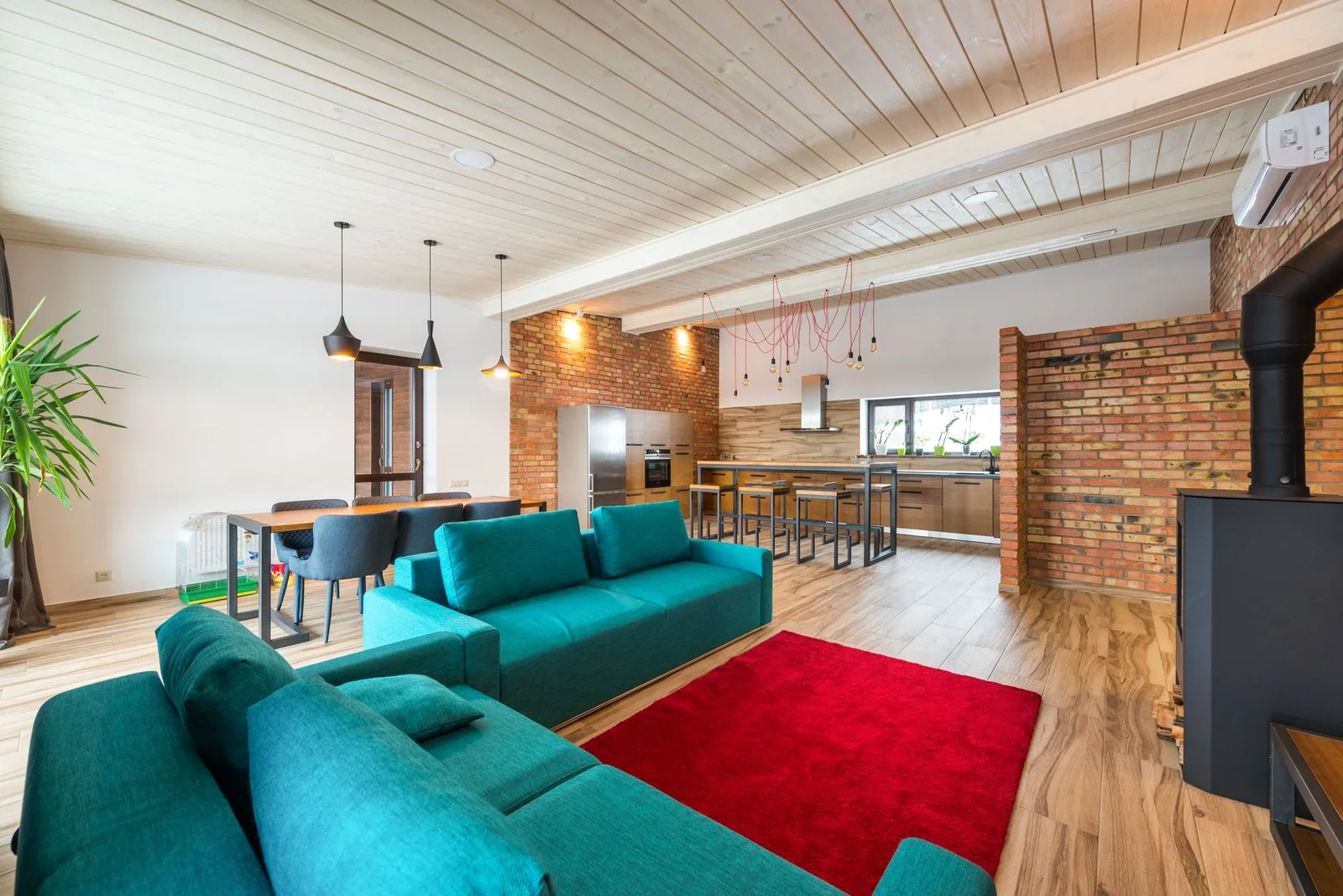
To fill your vacancy quickly with reliable tenants, you need a multi-channel marketing strategy that combines optimized online listings, professional-grade photography, and data-backed pricing. Start by calculating your property's optimal yield to find the sweet spot between high returns and low vacancy times. Then, syndicate your listing across major rental networks, write a compelling property description that highlights key amenities, and systematically screen applicants to protect your investment.
An empty rental property is one of the most expensive headaches a landlord can face. Every week your property sits vacant, your annual rental yield drops, while fixed costs like mortgages, property taxes, and insurance remain unchanged. Learning how to advertise a rental property effectively is not just about putting a "For Rent" sign in the yard; it is about building a marketing funnel that attracts high-quality, reliable applicants who pay on time and treat your property with respect.
Contents
- Key Takeaways
- 1. Determine the Optimal Rental Price
- 2. Choose the Best Platforms to Advertise Your Rental
- 3. Capture High-Quality Photos and Virtual Tours
- 4. Write a Compelling and Compliant Rental Listing
- 5. Implement an Efficient Lead Screening Process
- 6. Host Strategic Property Showings
- 7. Common Mistakes to Avoid
- Frequently Asked Questions
Key Takeaways
- Optimize Your Pricing: Setting the rent price based on real-time neighborhood comparables prevents costly extended vacancies.
- Use High-Quality Visuals: Properties with wide-angle, well-lit photos receive up to 60% more clicks and inquiries than those with dark, cell-phone photos.
- Syndicate Broadly: List your property on major platforms to maximize reach across different demographic groups.
- Pre-Screen Ruthlessly: Establish clear, legal criteria for income, credit scores, and rental history before showing the property to save time.

1. Determine the Optimal Rental Price
Before you write a single word of your listing or take a single photograph, you must establish the right price. Price your property too high, and it will languish on the market for weeks, costing you more in vacancy losses than the extra rent would have covered. Price it too low, and you leave money on the table, permanently damaging your long-term cash flow.
Conducting a Comparative Market Analysis (CMA)
To find the sweet spot, you need to analyze active listings and recently rented properties in your immediate neighborhood. Look for properties with similar characteristics, including:
- Square footage: Keep your comparison within a 10% to 15% variance of your property's size.
- Bedroom and bathroom count: A 3-bedroom home appeals to a different demographic than a 2-bedroom home, even if the total square footage is similar.
- Condition and finishes: Stainless steel appliances, quartz countertops, and in-unit laundry command premium pricing compared to laminate countertops and shared laundry rooms.
- Location micro-factors: Properties within walking distance of public transit, parks, or highly-rated schools can often command a 5% to 10% premium.
Balancing Yield and Vacancy Risk
Smart landlords use specialized tools to calculate how different rent rates impact their annual bottom line. For instance, using a dedicated cash-flow tool like the RentFlow calculator within Tabserve helps you visualize how a slight reduction in monthly rent might actually save you money by securing a tenant 30 days faster. An empty property costing $2,000 a month in mortgage and expenses will take months of slightly higher rent to break even on just one month of vacancy.
2. Choose the Best Platforms to Advertise Your Rental
To get maximum exposure, you must list your property where renters are actively looking. The rental market is fragmented, meaning different demographics use different platforms to find their next home. Utilizing a mix of national listing syndicators, local classifieds, and social media platforms ensures you do not miss out on qualified applicants.
| Platform Name | Time Needed | Cost Level | Best For |
|---|---|---|---|
| Zillow Rental Network | 15-20 mins | Premium (Paid) | Maximum exposure, credit-verified applicants, and suburban families. |
| Apartments.com | 15-20 mins | Budget (Free options available) | Urban apartments, young professionals, and college students. |
| Facebook Marketplace | 10 mins | Free | Local, immediate inquiries, budget-conscious renters, and pet owners. |
| Craigslist | 10 mins | Free to Budget | Independent landlords, rural properties, and quick turnarounds. |
The Power of Rental Syndication Networks
You do not need to manually post your listing on dozens of individual websites. Many modern property management platforms allow you to enter your listing details once and automatically syndicate it to major networks. The Zillow Rental Network, for example, automatically pushes your ad to Trulia and HotPads, which are highly popular among younger renters who rely on mobile apps for their search.

3. Capture High-Quality Photos and Virtual Tours
In online real estate marketing, photos are your first—and often only—chance to make an impression. Listings without photos or with dark, blurry images are routinely skipped by high-quality tenants. You do not need to hire a professional photographer if you have a modern smartphone, but you must follow professional techniques.
Preparing the Property for Photography
Before you take out your camera, ensure the property is completely clean and staged. Remove any leftover construction materials, cleaning supplies, or personal items. Open all blinds, curtains, and interior doors to allow natural light to flood the rooms. Turn on every light in the house, including overhead lights, range hood lights, and bedside lamps, to eliminate dark corners.
Composition and Technical Settings
- Shoot from chest height: Holding your camera too high or too low distorts the perspective of the room. Shooting from chest level makes rooms look spacious and balanced.
- Use a wide-angle lens: If your phone has a 0.5x wide-angle setting, use it. However, avoid extreme fisheye lenses that distort walls and make spaces look deceptively large, which disappoints prospective tenants during in-person viewings.
- Shoot horizontally: Landscape orientation is the standard for listing websites and displays your rooms much better than vertical shots.
- Focus on the corners: Aim your camera toward a corner of the room to capture three walls. This gives the viewer a true sense of the room's depth and layout.
Essential Photos to Include in Your Ad
The Hero Shot
This is the primary thumbnail image that appears in search results. For single-family homes, this should be a well-lit exterior shot taken on a clear day. For apartments or condos, use the most attractive interior space, such as a modern kitchen or a sunlit living room.
Kitchen and Bathrooms
These rooms sell properties. Take close-up shots of high-end finishes, clean appliances, and neat tiling. Ensure the toilet lid is down and mirrors are completely streak-free.
RentFlow lets you track rent, tenants, leases and expenses without spreadsheets — plus free calculators for rental yield, cash flow and legal rent increases across 18 countries.
4. Write a Compelling and Compliant Rental Listing
Once your photos grab a searcher's attention, your written description must seal the deal. A great rental ad is structured logically, highlights key selling points, and answers basic questions before the tenant even asks them. It must also comply with all local and national housing laws.
The Anatomy of a Perfect Rental Ad
Your listing description should follow a proven structure to keep readers engaged:
The Headline: Include the price, number of bedrooms/bathrooms, property type, and the best neighborhood feature. For example: "$2,200 - Modern 2 Bed / 2 Bath Condo in Downtown Austin with Private Balcony."
The Opening Hook: Describe the lifestyle your property offers. Mention proximity to local dining, quiet tree-lined streets, or easy highway access.
The Feature Bullet Points: Use a bulleted list for easy scanning. Highlight key amenities such as in-unit washer/dryer, central air conditioning, dishwasher, off-street parking, pet-friendly policies, and outdoor spaces.
Lease Terms and Requirements: Clearly state the monthly rent, security deposit amount, lease duration (e.g., 12-month lease), utility responsibilities, and available move-in date.
Navigating Fair Housing Act Regulations
When writing your description, you must strictly adhere to the Fair Housing Act. This federal law prohibits discrimination based on race, color, national origin, religion, sex, familial status, or disability. To avoid costly legal issues, never use language that indicates a preference for or against certain types of tenants. Avoid phrases like "perfect for young professionals," "ideal for active couples," or "quiet mature adults." Instead, focus entirely on describing the physical attributes of the property itself, such as "conveniently located near downtown offices" or "features a low-maintenance yard."
5. Implement an Efficient Lead Screening Process
When you advertise a rental property effectively, you will likely receive a large volume of inquiries. Managing these leads efficiently is crucial to preventing burnout and finding the right tenant quickly. Setting up automated systems and clear pre-screening questions will help filter out unqualified leads immediately.
Creating a Pre-Screening Questionnaire
When a prospect inquires about your property, send a polite, standardized auto-response asking for basic details before scheduling an in-person showing. This saves hours of wasted travel time. Ask the following questions:
- What is your desired move-in date?
- What is your estimated household monthly income?
- How many occupants will be living in the home?
- Do you have any pets (specify breed and weight)?
- Do you agree to a standard background and credit check?
If an applicant refuses to answer these basic questions or objects to a background check, you can safely move on to other candidates.
6. Host Strategic Property Showings
The showing is where prospective tenants decide if they can picture themselves living in your property. It is also your best opportunity to meet applicants in person and assess their professionalism and reliability.
Open House vs. Individual Showings
Choosing between an open house and individual appointments depends on your market and schedule. An open house (typically a 2-hour window on a Saturday) creates a sense of competition and urgency among renters, often leading to immediate applications. Individual showings take more time but allow you to have deeper conversations with each prospect, giving you a better sense of their suitability.
Whichever method you choose, ensure the property is comfortable. Set the thermostat to a pleasant temperature, turn on some soft background music if appropriate, and have printed copies of the application process and lease requirements readily available on the kitchen counter.
7. Common Mistakes to Avoid
Even experienced landlords make simple mistakes that delay rentals and cost money. Avoid these common pitfalls when marketing your property:
- Using outdated photos: Showing photos from five years ago when the walls were a different color or before wear-and-tear occurred destroys trust immediately when tenants arrive for a viewing.
- Hiding the pet policy: Be explicit about your pet policy, including any weight limits or pet fees, right in the ad. Hiding this information leads to wasted showings and frustrated applicants.
- Slow response times: The rental market moves incredibly fast. If you take more than 12 to 24 hours to respond to an inquiry, the prospect has likely already booked showings with your competitors.
- Neglecting curb appeal: The exterior of your property is the first thing a tenant sees. Overgrown lawns, peeling paint on the front door, or trash near the entryway can turn high-quality tenants away before they even step inside.
- Skipping the background check: Never skip a comprehensive credit, criminal, and eviction history check because an applicant seems nice or offers to pay cash upfront.
Frequently Asked Questions
How far in advance should I advertise my rental property?
You should begin advertising your rental property 30 to 45 days before the current lease ends or before the property becomes vacant. This timeline gives you ample time to collect applications, conduct background checks, and sign a new lease without experiencing a gap in rental income. Listing a property more than 60 days in advance is often counterproductive, as most active renters are looking for immediate or near-immediate move-in dates.
Can I advertise a rental property while tenants are still living there?
Yes, you can advertise and show a rental property while it is occupied, provided your current lease agreement permits it and you give your current tenants proper legal notice. Most jurisdictions require at least 24 to 48 hours of advance notice before entering an occupied property for showings. To keep the process smooth, maintain a good relationship with your current tenants, keep showings clustered together to minimize disruption, and ensure they keep the home reasonably tidy.
What is the most effective website to list a rental property?
The most effective website depends on your target demographic, but the Zillow Rental Network (which includes Zillow, Trulia, and HotPads) generally yields the highest volume of inquiries for residential properties in North America. For luxury properties or urban condos, specialized platforms like Apartments.com or regional MLS listings are highly effective. For budget-friendly rentals or rooms for rent, Facebook Marketplace remains a powerful, free alternative.
How do I write a rental ad that stands out?
To make your rental ad stand out, focus on benefits rather than just features. Instead of writing "balcony," write "private balcony with sunset views perfect for morning coffee." Use bullet points for readability, include clear pricing and utility details, and ensure your first photo is exceptionally bright and welcoming. Clearly listing your tenant criteria also helps attract serious, qualified applicants while filtering out those who do not meet your standards.
Should I allow pets in my rental property advertisement?
Allowing pets in your rental advertisement significantly increases your pool of prospective tenants, as more than half of all renters own pets. Properties that allow pets typically rent faster and can often command slightly higher monthly rents or non-refundable pet fees to cover any potential wear and tear. If you decide to allow pets, specify any restrictions regarding breed, size, or number of pets clearly in your listing to avoid misunderstandings.
How do I determine if my rental price is too high?
If your rental listing has been active for more than two weeks and you have received plenty of views but very few inquiries or showing requests, your price is likely too high. Another indicator is hosting several showings but receiving zero applications. Compare your listing price to similar properties currently active in your immediate neighborhood to ensure you are aligned with current market conditions.
Marketing your rental property does not have to be a stressful or time-consuming ordeal. By taking professional-grade photos, writing clear and legally compliant descriptions, and leveraging modern syndication networks, you can attract reliable tenants and maximize your investment's cash flow. Take the time to analyze your local market, price your property strategically, and use tools like RentFlow to keep your rental business running smoothly and profitably year after year.

Landlord & Rental Guides Writer, Tabserve
Selçuk writes RentFlow's landlord and rental-property guides — leases, tenant screening, rent increases and the numbers behind rental yield.
 Get the free RentFlow app